The Essential Guide to Marine Lead-Acid Batteries: Durability & Corrosion Resistance
AUG.07,2025Lead-Acid Batteries for Golf Carts: Key Benefits & Trends
AUG.06,2025Energy Storage Solutions: Lead-Aide Batteries vs. Lithium-Ion
JUL.28,2025Understanding AGM Lead-Acid Batteries for Backup Power
JUL.28,2025Flooded Lead-Acid Batteries for Renewable Energy Storage
JUL.28,2025Gel Lead-Acid Batteries: A Long-Lasting Solution for Off-Grid Power
JUL.23,2025The Role of Lead-Acid Batteries in Electric Golf Carts
JUL.21,2025Telecom Power Systems: The Role of Lead-Acid Batteries
JUL.15,2025Lead-Acid Batteries in Power Tools: Dependability and Performance
JUL.15,2025Choosing Lead-Acid Batteries for Medical Equipment Backup
JUL.15,2025 Spaceflight Power Supply Co., Ltd.
Tel: +86-760-22555873
Fax: +86-760-22555873
E-mail: [email protected]
Add: 2108, Haigang City Office Building, No.1 Shengping East Road, Xiaolan Town, Zhongshan City, Guangdong Province
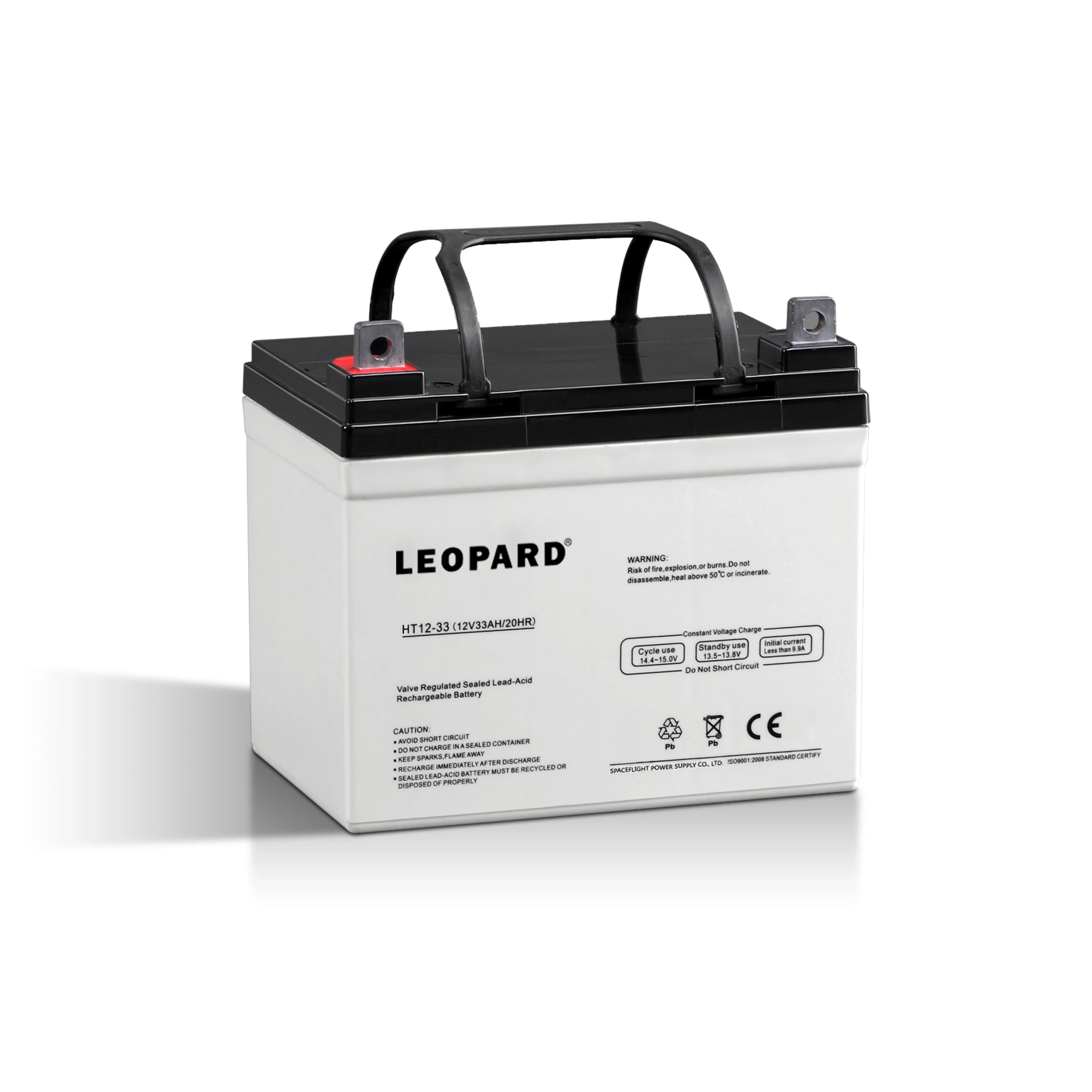
VRLA (Valve-Regulated Lead-Acid) batteries are a mainstay in the energy storage industry, providing a dependable and adaptable option for a broad range of applications. These batteries employ innovative design features to regulate internal pressure and electrolyte flow, ensuring safe and maintenance-free operation. This article delves into the technology behind VRLA batteries, exploring their construction, working principles, advantages, and diverse applications in today’s energy landscape.

VRLA batteries are constructed with sealed enclosures that house the lead-acid cells and electrolyte. The key components include:
VRLA batteries operate on the same fundamental principles as flooded lead-acid batteries, with some modifications to accommodate the sealed design. Lead sulfate on the plates transforms back into lead dioxide and lead as a result of the conversion of electrical energy into chemical energy during the charging process. Conversely, during discharging, chemical energy is converted back into electrical energy as lead dioxide and lead react with sulfuric acid to produce lead sulfate.
The key difference lies in how VRLA batteries manage gas buildup. As the battery charges, the electrolysis of water produces gasses such as oxygen and hydrogen. In flooded batteries, these gases escape through vent caps. In VRLA batteries, however, the sealed design traps the gases, causing internal pressure to increase. When the pressure reaches a predetermined level, the safety valves open, allowing the gases to escape and relieving pressure without releasing electrolyte.

VRLA batteries offer numerous advantages over traditional flooded lead-acid batteries, making them an attractive choice for various applications:
VRLA batteries are widely used in many different sectors and applications because of their dependability, security, and adaptability. Some common applications include:
While VRLA batteries offer numerous advantages, there are also some challenges and considerations to keep in mind:
The future of VRLA batteries is likely to be shaped by ongoing advancements in battery technology, as well as emerging trends in renewable energy, electric transportation, and energy storage. Some key areas of development include:
In summary, VRLA batteries offer maintenance-free operation, increased safety, and a wide range of applications, making them a significant improvement in lead-acid battery technology. VRLA batteries are an essential component of contemporary energy storage systems, serving as a source of backup power for vital infrastructure as well as storing renewable energy for off-grid deployments. Even if there are still difficulties like temperature sensitivity and a restricted depth of discharge, continuous research and development activities are resolving these problems and opening the door for more developments in VRLA battery technology. As the demand for reliable, safe, and sustainable energy storage solutions continues to grow, VRLA batteries are poised to remain a key player in the global energy landscape, powering a brighter and more sustainable future.
Spaceflight Power was founded in 1994 and named Zhongshan Spaceflight Power supply Co,. Ltd. In 2006, the company’s production base moved to Jiangxi Province for a larger production space with 120,000 square meters.
---- Read more Read more >>Copyright © 2026 - Spaceflight Power Supply Co., Ltd. ALL RIGHTS RESERVED Shipping PolicyReturn PolicyPrivacy Policy