Enhanced Electrolyte Formulations
Recent advancements in electrolyte formulations have significantly improved the performance of lead-acid batteries. Innovations such as the use of high-purity sulfuric acid and advanced additives have increased battery efficiency, lifespan, and resistance to corrosion. These enhancements contribute to more reliable and longer-lasting batteries for aviation applications.
Valve-Regulated Lead-Acid (VRLA) Batteries
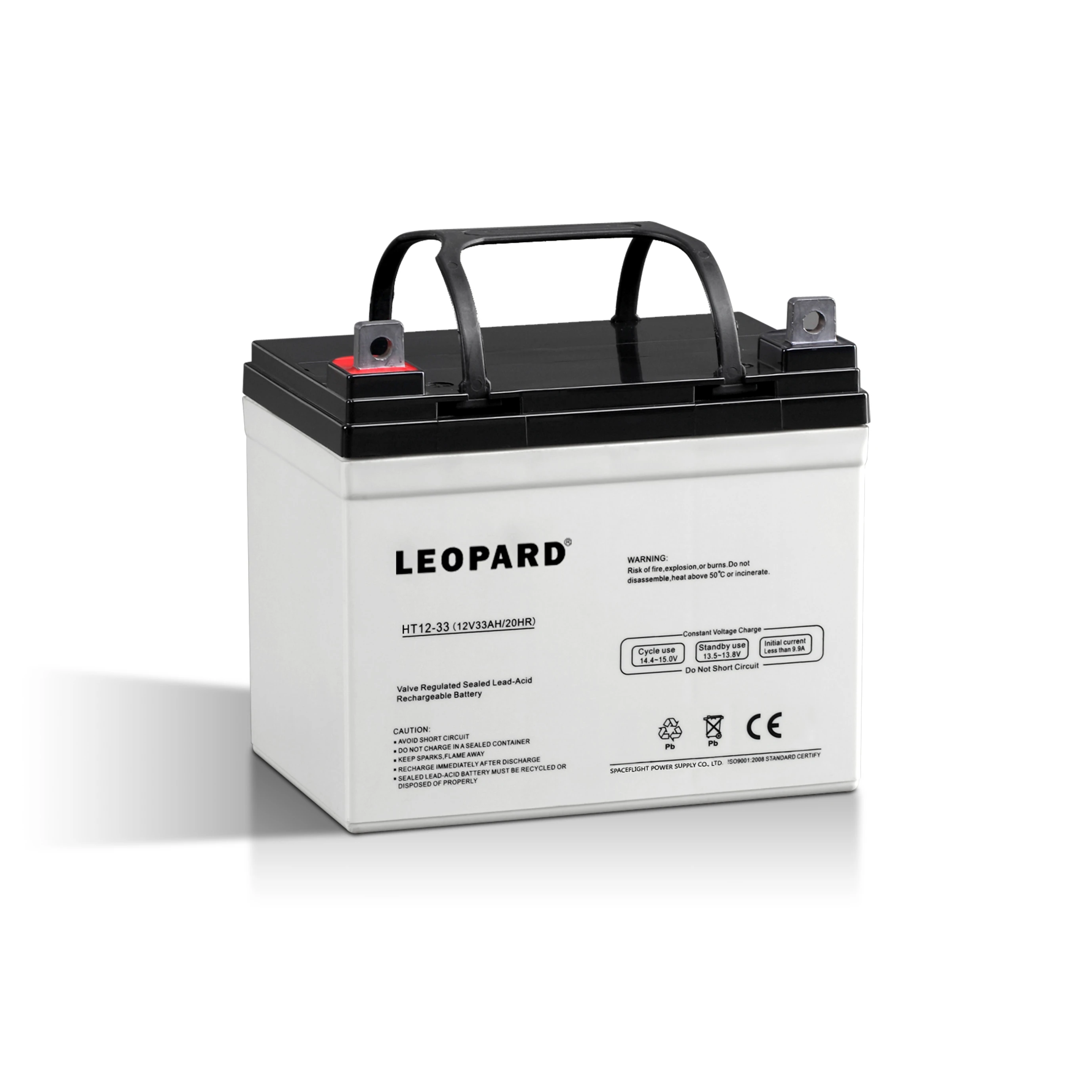
VRLA batteries, including Absorbent Glass Mat (AGM) and Gel Cell batteries, have become popular in aviation due to their maintenance-free operation and enhanced safety features.
- AGM Batteries: AGM batteries use a glass mat to absorb the electrolyte, preventing spills and leaks. They offer higher power output, faster charging times, and better resistance to vibration compared to traditional flooded lead-acid batteries.
- Gel Cell Batteries: Gel cell batteries use a gelled electrolyte, which reduces the risk of leakage and improves deep-cycle performance. These batteries are well-suited for applications requiring frequent discharges and recharges.
Advanced Plate Designs
Innovations in plate design, such as the use of thinner and more efficient plates, have increased the surface area for electrochemical reactions. This results in higher capacity, improved charge acceptance, and longer cycle life. Advanced plate designs also enhance the battery’s ability to deliver high bursts of power, crucial for emergency applications in aviation.
Intelligent Battery Management Systems (BMS)
The integration of intelligent battery management systems has revolutionized lead-acid battery performance. BMS technology monitors battery health, optimizes charging and discharging cycles, and provides real-time data on battery status. This ensures optimal performance, extends battery lifespan, and enhances safety by preventing overcharging and overheating.