The Essential Guide to Marine Lead-Acid Batteries: Durability & Corrosion Resistance
AUG.07,2025Lead-Acid Batteries for Golf Carts: Key Benefits & Trends
AUG.06,2025Energy Storage Solutions: Lead-Aide Batteries vs. Lithium-Ion
JUL.28,2025Understanding AGM Lead-Acid Batteries for Backup Power
JUL.28,2025Flooded Lead-Acid Batteries for Renewable Energy Storage
JUL.28,2025Gel Lead-Acid Batteries: A Long-Lasting Solution for Off-Grid Power
JUL.23,2025The Role of Lead-Acid Batteries in Electric Golf Carts
JUL.21,2025Telecom Power Systems: The Role of Lead-Acid Batteries
JUL.15,2025Lead-Acid Batteries in Power Tools: Dependability and Performance
JUL.15,2025Choosing Lead-Acid Batteries for Medical Equipment Backup
JUL.15,2025 Spaceflight Power Supply Co., Ltd.
Tel: +86-760-22555873
Fax: +86-760-22555873
E-mail: [email protected]
Add: 2108, Haigang City Office Building, No.1 Shengping East Road, Xiaolan Town, Zhongshan City, Guangdong Province
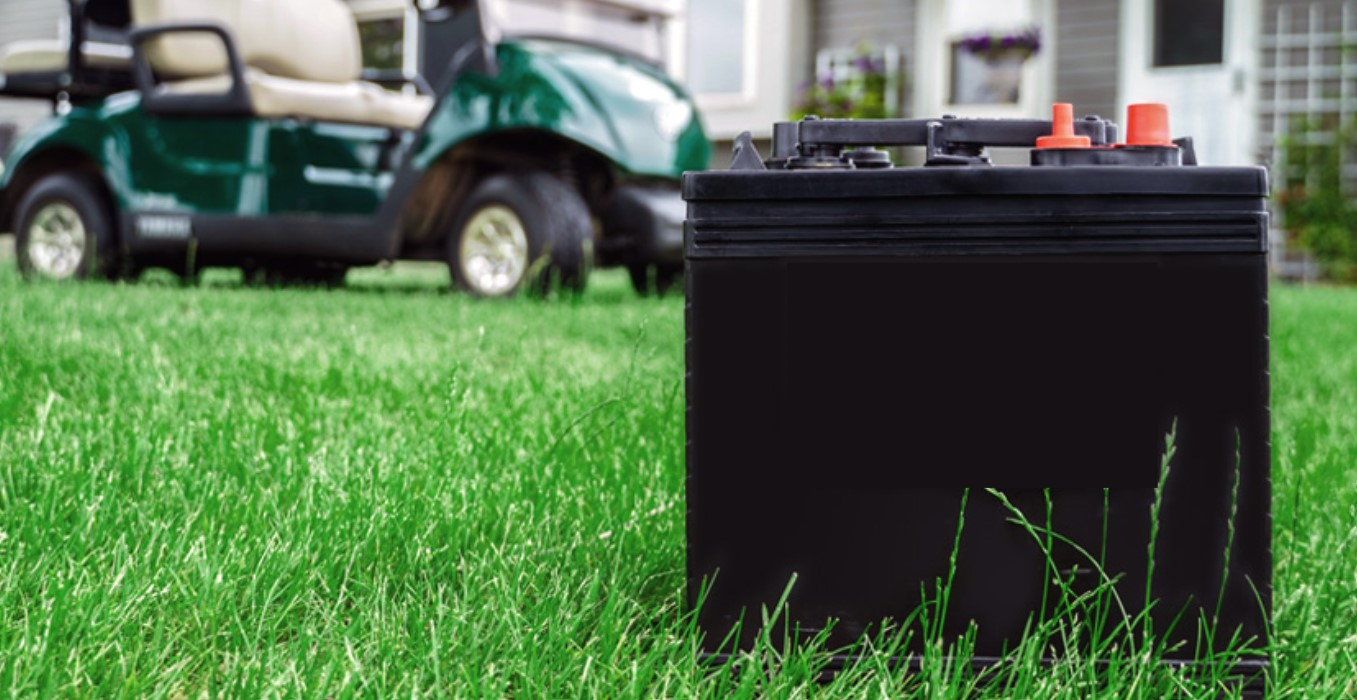
Golf carts have become a staple not only on golf courses but also in residential communities, resorts, and industrial facilities. The reliability and efficiency of these vehicles hinge significantly on their power sources. Among the various types of batteries used, lead-acid batteries stand out for their robust performance and cost-effectiveness. This article explores the advantages of lead-acid batteries in golf carts, their maintenance, challenges, and future trends in this essential technology.

Cost-Effectiveness
One of the primary advantages of lead-acid batteries is their cost-effectiveness. Compared to other battery types, such as lithium-ion, lead-acid batteries are significantly cheaper. This affordability makes them an attractive option for golf cart owners and operators who need a reliable power source without a hefty initial investment.
Proven Technology
Lead-acid batteries have been around for over a century, and their technology is well-understood and highly reliable. This extensive history means that lead-acid batteries are a proven technology with established manufacturing processes, making them a dependable choice for powering golf carts.
High Discharge Rates
Golf carts require batteries that can deliver high discharge rates to provide the necessary power for acceleration and climbing hills. Lead-acid batteries are well-suited for this purpose, as they can supply the high bursts of current needed for these demands. This characteristic ensures that golf carts powered by lead-acid batteries can perform effectively on various terrains.
Easy Maintenance
Maintenance is a critical aspect of battery performance, and lead-acid batteries are relatively easy to maintain. Regular checks of water levels and periodic cleaning of terminals can help ensure optimal performance and longevity. Many modern lead-acid batteries for golf carts are designed with maintenance features that simplify these tasks, such as easy-access caps for water filling.
Flooded Lead-Acid Batteries
Flooded lead-acid batteries are the most common type used in golf carts. These batteries contain a liquid electrolyte and require regular maintenance, including water top-ups and terminal cleaning. Despite the maintenance requirements, flooded batteries are favored for their reliability and affordability.
Absorbent Glass Mat (AGM) Batteries
AGM batteries are a type of sealed lead-acid battery that uses a fiberglass mat to absorb the electrolyte. These batteries are maintenance-free and offer higher resistance to vibration and shock, making them suitable for rough terrain. AGM batteries also have a lower self-discharge rate, which means they can hold a charge for longer periods when not in use.
Gel Cell Batteries
Gel cell batteries are another type of sealed lead-acid battery, using a gelled electrolyte. Like AGM batteries, gel cells are maintenance-free and resistant to spillage and leakage. They are particularly useful in golf carts that operate in extreme temperatures, as they are less prone to freezing and overheating compared to flooded batteries.
Regular Inspection
Regular inspection of lead-acid batteries is essential to ensure their longevity and performance. This includes checking the water levels in flooded batteries and inspecting terminals for corrosion. Maintaining proper water levels helps prevent damage to the battery plates, which can extend the battery’s lifespan.
Cleaning and Terminal Maintenance
Corrosion on battery terminals can impede performance and reduce the battery’s efficiency. Regular cleaning of the terminals with a mixture of baking soda and water can help prevent corrosion. Applying a thin layer of petroleum jelly to the terminals after cleaning can also protect against future corrosion.
Proper Charging Practices
Proper charging practices are crucial for the health of lead-acid batteries. It’s important to use the correct charger designed for lead-acid batteries and avoid overcharging or undercharging. Ensuring that the batteries are fully charged before use can help maximize their performance and lifespan.
Storage Considerations
When not in use, it’s essential to store lead-acid batteries in a cool, dry place. For extended storage periods, maintaining a full charge and periodically recharging the batteries can prevent them from discharging completely, which can damage the battery.

Weight
One of the main drawbacks of lead-acid batteries is their weight. These batteries are significantly heavier than alternative battery types, such as lithium-ion. The additional weight can impact the performance and efficiency of golf carts, particularly in terms of speed and range.
Limited Lifespan
Although lead-acid batteries are cost-effective, they typically have a shorter lifespan compared to other battery technologies. Frequent deep discharges and improper maintenance can further reduce their longevity. This means that lead-acid batteries may need to be replaced more frequently, which can offset some of their initial cost advantages.
Environmental Concerns
Lead-acid batteries pose environmental challenges due to the toxic nature of lead and the potential for acid spillage. Proper disposal and recycling of lead-acid batteries are crucial to mitigate environmental impact. Many regions have regulations in place for the disposal and recycling of these batteries to ensure they are handled safely.
Advances in Lead-Acid Technology
Despite the challenges, advancements in lead-acid battery technology continue to improve their performance and reliability. Innovations such as improved battery management systems, better materials for battery plates, and enhanced charging algorithms are helping to extend the lifespan and efficiency of lead-acid batteries.
Transition to Lithium-Ion
There is a growing trend towards the adoption of lithium-ion batteries in golf carts, driven by their higher energy density, lighter weight, and longer lifespan. Although lithium-ion batteries are more expensive, their long-term benefits in terms of performance and reduced maintenance costs are making them an increasingly popular choice.
Hybrid Solutions
Some manufacturers are exploring hybrid battery solutions that combine the advantages of lead-acid and lithium-ion technologies. These hybrid systems aim to offer the cost-effectiveness and reliability of lead-acid batteries with the performance and longevity of lithium-ion batteries. Hybrid solutions could provide a balanced approach to powering golf carts in the future.
Lead-acid batteries remain a popular choice for powering golf carts due to their cost-effectiveness, reliability, and high discharge rates. While they require regular maintenance and have certain limitations, advancements in technology continue to enhance their performance and longevity. As the demand for more efficient and environmentally friendly power sources grows, the golf cart industry is likely to see an increasing adoption of alternative battery technologies, such as lithium-ion. However, for the foreseeable future, lead-acid batteries will continue to play a vital role in keeping golf carts running smoothly on courses and beyond.
Spaceflight Power was founded in 1994 and named Zhongshan Spaceflight Power supply Co,. Ltd. In 2006, the company’s production base moved to Jiangxi Province for a larger production space with 120,000 square meters.
---- Read more Read more >>Copyright © 2026 - Spaceflight Power Supply Co., Ltd. ALL RIGHTS RESERVED Shipping PolicyReturn PolicyPrivacy Policy