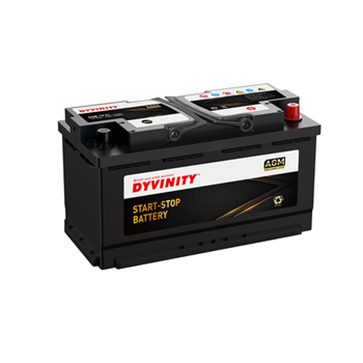
Lead-acid batteries consist of lead dioxide (PbO2) as the positive plate, sponge lead (Pb) as the negative plate, and a sulfuric acid (H2SO4) electrolyte. When the battery discharges, a chemical reaction occurs between the lead plates and the electrolyte, generating electrical energy. Upon recharging, this process is reversed.
Innovations in Design
- Absorbent Glass Mat (AGM) Technology
One significant innovation in lead-acid battery design is the use of Absorbent Glass Mat (AGM) technology. AGM batteries utilize fiberglass mats to absorb the electrolyte, effectively immobilizing it. This design provides several advantages:
- Vibration Resistance: AGM batteries are less susceptible to damage from vibrations and shocks, making them ideal for automotive applications where movement is constant.
- Sealed Construction: The sealed design prevents leakage and minimizes maintenance needs, allowing for flexible installation positions.
- Enhanced Performance: AGM batteries can deliver high discharge rates and recover quickly from deep discharges, improving overall performance in demanding conditions.
- Gel Technology
Gel lead-acid batteries use a silica-based gel to immobilize the electrolyte, offering another innovative approach. The gel electrolyte provides benefits such as:
- Safety: Gel batteries are less prone to spillage and provide additional safety, making them suitable for both conventional and electric vehicles.
- Temperature Tolerance: They perform well in extreme temperatures, which is essential for vehicles operating in varied climates.
- Longer Lifespan: Gel technology can result in reduced sulfation and a longer cycle life, enhancing battery longevity.
- Enhanced Plate Design
Advancements in plate design, including the use of more advanced materials and coatings, have significantly improved battery performance. Innovations such as:
- Expanded Grid Technology: This technology uses a wider grid structure that allows for better current distribution and increased surface area for the active material. It enhances the battery’s capacity and discharge characteristics.
- Lead Alloy Improvements: New lead alloy formulations can reduce corrosion and extend battery life, making the batteries more durable under varying operating conditions.