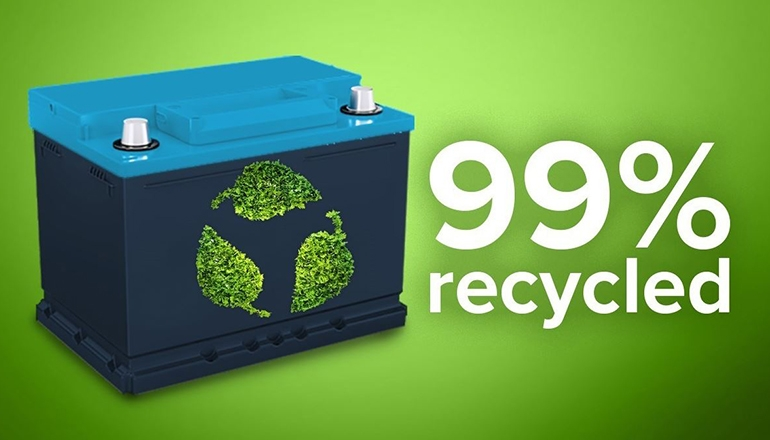
Recycling lead-acid batteries requires a specific process to ensure that toxic substances are handled correctly and that the valuable materials are recovered. Follow these steps for responsible recycling:
- Find a Certified Recycling Facility
The first step in responsible lead-acid battery recycling is to locate a certified recycling facility. Not all recycling centers are equipped to handle hazardous materials like lead and sulfuric acid. Look for facilities that specialize in battery recycling or are certified by environmental agencies to ensure that the recycling process adheres to strict environmental and safety standards.
Many auto parts stores, electronics retailers, and home improvement centers offer drop-off points for old batteries. In some regions, municipalities provide designated recycling programs for hazardous waste. You can also use online resources to locate certified recycling centers near you.
- Store Batteries Safely Before Recycling
Lead-acid batteries are heavy and contain corrosive substances, so it’s essential to handle them with care before recycling. Always store used batteries in a cool, dry place away from heat sources or flammable materials. Make sure the terminals are covered to prevent accidental short-circuiting, and place the battery in a sturdy, leak-proof container to avoid any spills.
If the battery is leaking or damaged, wear protective gloves and eye protection when handling it. In such cases, it is especially important to transport the battery to a recycling center as soon as possible to minimize the risk of exposure to hazardous materials.
- Ensure Proper Dismantling of the Battery
When recycling lead-acid batteries, the first step at the recycling facility is to carefully dismantle the battery. This involves removing the outer casing and separating the internal components, including the lead plates, acid, and plastic parts.
The lead plates are cleaned, melted down, and reused in the production of new batteries or other products. The sulfuric acid is neutralized and converted into water or other safe compounds, while the plastic components can be recycled into new products.
Some recycling centers might have the necessary equipment to dismantle the battery safely, while others may ask you to remove any non-recyclable components, such as the battery casing, before bringing it in.
- Handle the Sulfuric Acid Properly
One of the main hazards associated with lead-acid batteries is sulfuric acid, which can cause serious harm if not handled correctly. Sulfuric acid is highly corrosive, so it must be neutralized before disposal. In a responsible recycling process, the acid is neutralized with a safe compound like sodium bicarbonate (baking soda) or lime. Once neutralized, it is either converted into water or safely disposed of in a controlled manner.
Do not attempt to neutralize or handle sulfuric acid yourself. Always leave this to professionals at certified recycling centers who have the proper training and equipment to manage such materials safely.
- Reusing Materials
Once the lead plates and other materials are extracted, they can be reused in various industries. Lead is commonly used in the production of new lead-acid batteries, but it can also be used in construction, radiation shielding, and even in the production of certain types of glass. Plastic components from the battery can be melted down and reused to make new battery casings or other plastic products.
By recycling lead-acid batteries, these materials are kept within the supply chain, reducing the demand for new raw materials and promoting a circular economy. This not only lowers the environmental impact but also supports economic growth in recycling and manufacturing industries.
- Following Local Regulations
Many countries and regions have specific laws governing the recycling of lead-acid batteries. These regulations are designed to protect the environment and ensure that recycling processes meet high safety and environmental standards. Be sure to familiarize yourself with local guidelines for battery disposal and recycling.
In some places, it is illegal to dispose of lead-acid batteries in landfills or incinerators due to the hazardous nature of their contents. Fines and penalties may apply if you do not follow proper recycling procedures, so always ensure that your old batteries are taken to a certified recycling facility.