The Essential Guide to Marine Lead-Acid Batteries: Durability & Corrosion Resistance
AUG.07,2025Lead-Acid Batteries for Golf Carts: Key Benefits & Trends
AUG.06,2025Energy Storage Solutions: Lead-Aide Batteries vs. Lithium-Ion
JUL.28,2025Understanding AGM Lead-Acid Batteries for Backup Power
JUL.28,2025Flooded Lead-Acid Batteries for Renewable Energy Storage
JUL.28,2025Gel Lead-Acid Batteries: A Long-Lasting Solution for Off-Grid Power
JUL.23,2025The Role of Lead-Acid Batteries in Electric Golf Carts
JUL.21,2025Telecom Power Systems: The Role of Lead-Acid Batteries
JUL.15,2025Lead-Acid Batteries in Power Tools: Dependability and Performance
JUL.15,2025Choosing Lead-Acid Batteries for Medical Equipment Backup
JUL.15,2025 Spaceflight Power Supply Co., Ltd.
Tel: +86-760-22555873
Fax: +86-760-22555873
E-mail: [email protected]
Add: 2108, Haigang City Office Building, No.1 Shengping East Road, Xiaolan Town, Zhongshan City, Guangdong Province
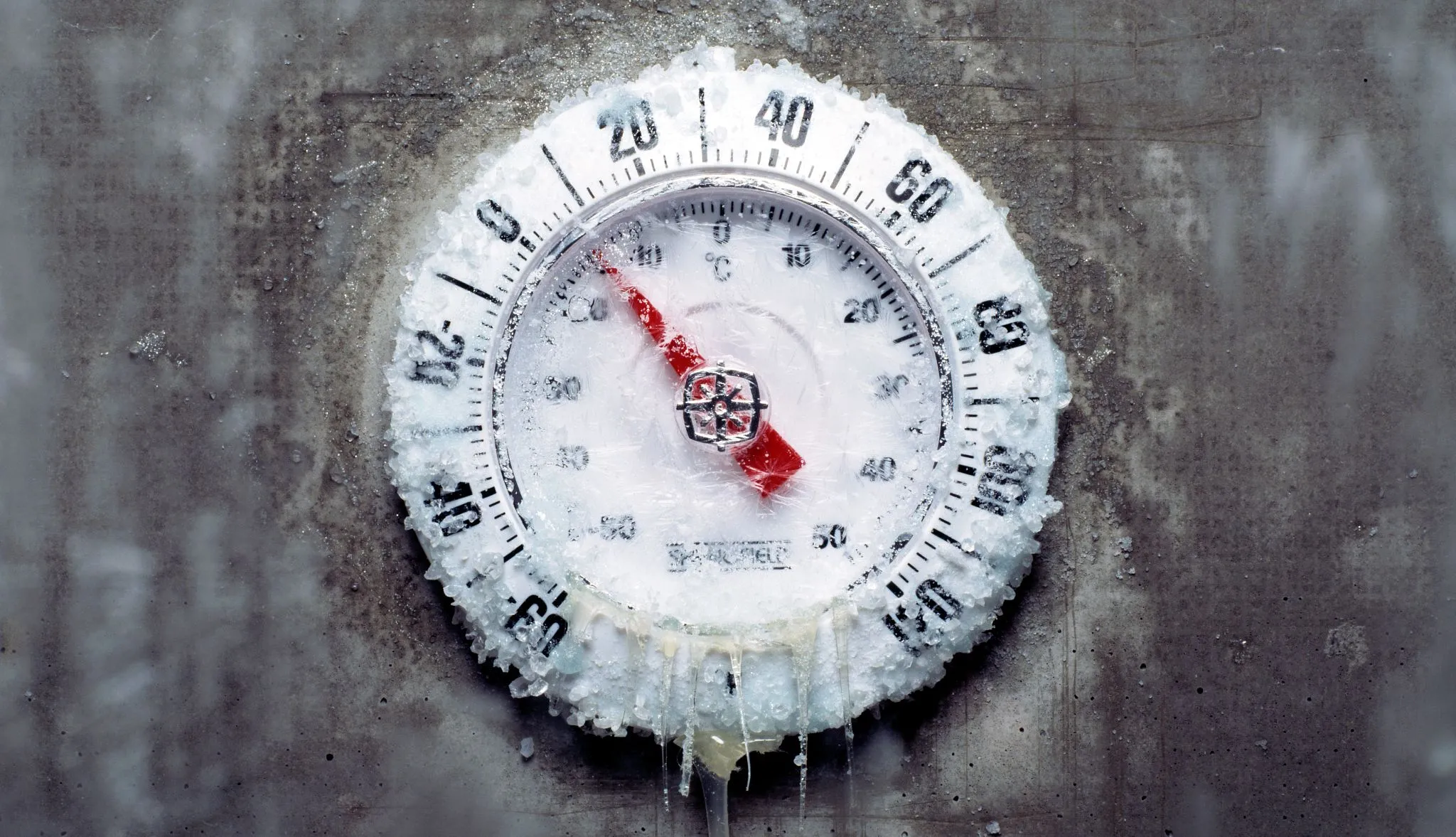
Lead-acid batteries have been a cornerstone of energy storage for over a century, powering everything from cars to backup systems and off-grid energy solutions. However, one of the challenges that lead-acid batteries face is their performance in cold weather conditions. As temperatures drop, the chemical reactions inside the battery slow down, which can reduce both its capacity and efficiency.
In regions with harsh winters or areas where energy systems must perform reliably year-round, understanding how different types of lead-acid batteries perform in cold weather is essential. In this article, we will explore the factors that affect lead-acid battery performance in cold temperatures and compare the various types of lead-acid batteries to determine which one performs the best in chilly conditions.

Before diving into which type of lead-acid battery performs best in cold weather, it’s important to understand how low temperatures affect lead-acid batteries in general.
There are several types of lead-acid batteries, each designed for different applications and conditions. The three main categories are:
Let’s take a look at each type and evaluate how they perform in cold weather.
Flooded lead-acid (FLA) batteries are the traditional type of lead-acid battery. They consist of liquid electrolyte (a mixture of sulfuric acid and water) that covers the plates inside the battery. FLA batteries are widely used in applications such as automotive starting, backup power, and renewable energy storage.
Performance in Cold Weather:
Conclusion:
Flooded lead-acid batteries perform poorly in cold temperatures due to their susceptibility to freezing and reduced capacity. They are best used in environments with moderate temperatures or where temperature regulation is possible, such as in a temperature-controlled garage or building.
Absorbent Glass Mat (AGM) batteries are a type of sealed lead-acid battery that uses a fiberglass mat to absorb and hold the electrolyte. This makes AGM batteries maintenance-free and less prone to leakage compared to flooded batteries. They are widely used in applications like backup power, off-grid systems, and automotive uses.
Performance in Cold Weather:
Conclusion:
AGM batteries are a better option for cold weather conditions than flooded lead-acid batteries. Their sealed design and improved performance in low temperatures make them a popular choice for off-grid solar systems, backup power applications, and automotive use in colder climates.
Gel lead-acid batteries use a gelified electrolyte, typically made from silica and sulfuric acid. This gelled electrolyte reduces the risk of spilling and provides a safer and more stable internal environment compared to flooded lead-acid batteries. Gel batteries are commonly used in applications such as off-grid power systems, renewable energy storage, and mobility scooters.
Performance in Cold Weather:
Conclusion:
Gel lead-acid batteries are the best choice for cold weather performance. Their ability to function well at low temperatures, combined with a relatively low risk of freezing, makes them ideal for use in colder climates, especially for off-grid systems or backup power where reliability in harsh weather is crucial.
In conclusion, gel lead-acid batteries stand out as the best performers in cold weather conditions. Their gelled electrolyte offers the best protection against freezing temperatures, and they experience less capacity loss compared to flooded and AGM batteries.
However, AGM batteries are still a solid choice for moderate cold environments, offering better performance than flooded lead-acid batteries. For areas with extreme winters, gel batteries provide the most reliable solution for maintaining power and avoiding damage from freezing.
Flooded lead-acid batteries, while affordable and widely used, are the least suited for cold weather due to their risk of freezing and reduced capacity in low temperatures. Proper maintenance and temperature management are essential for improving their performance in cold climates.
For those living in cold climates or planning to use lead-acid batteries in off-grid solar or backup power systems, choosing the right battery type is crucial. Gel and AGM batteries offer superior cold weather performance, ensuring reliability and longevity during harsh winters.

Spaceflight Power was founded in 1994 and named Zhongshan Spaceflight Power supply Co,. Ltd. In 2006, the company’s production base moved to Jiangxi Province for a larger production space with 120,000 square meters.
Learn About Spaceflight Power Learn About Spaceflight PowerCopyright © 2026 - Spaceflight Power Supply Co., Ltd. ALL RIGHTS RESERVED Shipping PolicyReturn PolicyPrivacy Policy