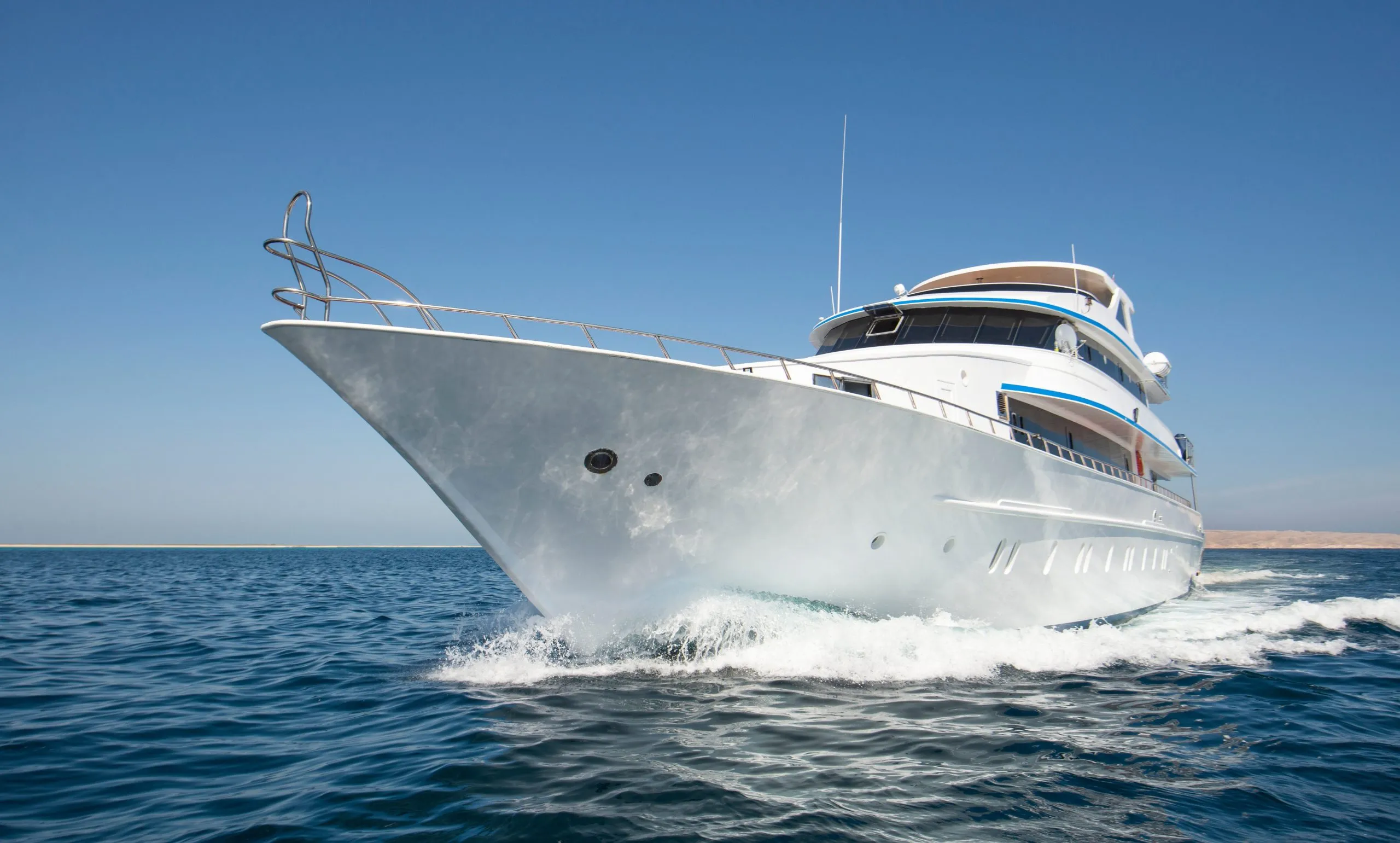
The Essential Guide to Marine Lead-Acid Batteries: Durability & Corrosion Resistance
AUG.07,2025Lead-Acid Batteries for Golf Carts: Key Benefits & Trends
AUG.06,2025Energy Storage Solutions: Lead-Aide Batteries vs. Lithium-Ion
JUL.28,2025Understanding AGM Lead-Acid Batteries for Backup Power
JUL.28,2025Flooded Lead-Acid Batteries for Renewable Energy Storage
JUL.28,2025Gel Lead-Acid Batteries: A Long-Lasting Solution for Off-Grid Power
JUL.23,2025The Role of Lead-Acid Batteries in Electric Golf Carts
JUL.21,2025Telecom Power Systems: The Role of Lead-Acid Batteries
JUL.15,2025Lead-Acid Batteries in Power Tools: Dependability and Performance
JUL.15,2025Choosing Lead-Acid Batteries for Medical Equipment Backup
JUL.15,2025 Spaceflight Power Supply Co., Ltd.
Tel: +86-760-22555873
Fax: +86-760-22555873
E-mail: [email protected]
Add: 2108, Haigang City Office Building, No.1 Shengping East Road, Xiaolan Town, Zhongshan City, Guangdong Province
In the world of marine technology, reliable power sources are a must. Whether you’re on a leisurely boat ride, navigating through rough seas, or powering the advanced systems aboard a luxury yacht, one of the most crucial elements ensuring smooth operations is the battery system. Among the various options available, lead-acid batteries have long been the go-to choice for marine applications, offering a combination of affordability, reliability, and proven performance in harsh maritime environments.
In this article, we’ll explore why lead-acid batteries remain a popular choice for powering boats and yachts, the different types of lead-acid batteries used in marine settings, and the benefits and limitations of using them for marine applications.

Lead-acid batteries have been the standard for many industries, especially in marine environments, for decades. Despite the growth of alternative technologies like lithium-ion batteries, lead-acid batteries still offer certain advantages that make them an excellent choice for powering boats and yachts.
One of the primary reasons lead-acid batteries are so prevalent in marine applications is their affordable price. They are less expensive upfront compared to more advanced technologies, such as lithium-ion batteries. This makes them a practical option for many boat owners, especially when it comes to maintaining or replacing battery systems in boats and yachts. Additionally, lead-acid batteries have lower initial maintenance costs, further cementing their position as a cost-effective choice for marine power systems.
Lead-acid batteries have a proven track record of performing well in challenging conditions, which is particularly important in marine environments. Boats and yachts often operate in extreme conditions—saltwater, high humidity, temperature fluctuations, and vibrations. Lead-acid batteries have been tested extensively in these environments and have shown excellent resilience and long-term performance, making them reliable for both starting engines and powering onboard electronics.
In marine applications, especially with yachts and larger vessels, it’s important to have batteries that can handle deep discharges without compromising their lifespan. Deep cycle lead-acid batteries are specifically designed for this purpose. These batteries can discharge a significant portion of their charge (often 50% or more) and still provide a long life. This is a critical feature for marine environments where a steady, reliable power supply is needed over extended periods, especially for navigation, communication, and other systems that may run continuously.
There are several types of lead-acid batteries commonly used in marine applications, each with its unique features tailored to specific needs. Below are the most commonly used types:
Starting batteries, also known as cranking batteries, are designed to provide a quick burst of power to start the engine. They have a high cold-cranking amps (CCA) rating to deliver the necessary power for ignition in cold temperatures. However, they are not designed for deep cycling, meaning they’re ideal for short, high-power applications like starting a boat’s engine.
Ideal use case: Small boats and vessels where the primary need is engine starting.
Deep cycle lead-acid batteries are engineered for continuous, steady power output over long periods. Unlike starting batteries, deep cycle batteries can withstand deep discharges without damage. They are essential for powering onboard electronics, such as lighting, navigation systems, communication equipment, and other accessories that run throughout the day or night.
Ideal use case: Larger boats, yachts, and vessels with significant power demands and extended running times.
As the name suggests, dual-purpose batteries combine the features of both starting and deep cycle batteries. They are designed to provide the high surge of power necessary to start the engine, while also delivering consistent power over longer periods. These batteries are a popular choice for boats that do not have room for multiple batteries or for owners who want to minimize maintenance.
Ideal use case: Boats with modest power needs, such as mid-sized vessels and recreational boats.
Gel and Absorbent Glass Mat (AGM) batteries are both variations of the traditional lead-acid battery, designed to offer enhanced performance in specific conditions.
Ideal use case: Luxury yachts or high-performance vessels, where battery performance and reliability are critical.

There are several notable advantages of using lead-acid batteries in marine settings:
Marine environments are notoriously harsh, with saltwater, humidity, and temperature changes posing significant challenges to battery systems. Lead-acid batteries, particularly deep cycle and AGM types, are well-suited to these conditions due to their ability to withstand corrosion and moisture. Their durability is a significant advantage, ensuring that boat owners can rely on them even during long voyages or in extreme conditions.
Whether for engine starting, navigation, or communication, marine batteries need to deliver consistent power. Lead-acid batteries are capable of providing steady, dependable power for a range of critical systems, such as:
Lead-acid batteries generally have a relatively simple maintenance routine. While flooded batteries require occasional topping off of water levels, AGM and gel batteries are virtually maintenance-free. Additionally, these batteries are easily recyclable, which makes them more eco-friendly compared to some newer battery types.
When properly maintained, deep-cycle lead-acid batteries can provide years of reliable service. Their cycle life is a function of how deeply they are discharged, with regular, shallow discharges increasing their longevity. For marine applications where power demands can vary, deep cycle lead-acid batteries provide the reliability needed for both short and extended usage.
While lead-acid batteries are widely used, they do have some challenges that boat owners and operators should consider:
One of the most notable drawbacks of lead-acid batteries is their weight. These batteries are generally heavier than other battery types, such as lithium-ion batteries. This can be a disadvantage, especially in small vessels or boats where minimizing weight is crucial for performance and fuel efficiency.
While deep cycle lead-acid batteries are designed for deeper discharges, they should still not be routinely discharged below 50%. Going beyond this depth can significantly reduce the battery’s lifespan. For marine applications, this requires regular monitoring and maintenance to avoid deep discharges.
Lead-acid batteries have lower energy efficiency compared to newer technologies like lithium-ion batteries. This means that they require more frequent charging and can’t store as much energy in the same amount of space. For boat owners seeking extended operational times without frequent recharging, this could be a limitation.
Lead-acid batteries remain a popular and reliable choice for powering boats and yachts. Their affordability, proven performance, and ability to handle deep cycles make them an ideal solution for many marine applications, from small recreational boats to large luxury yachts. Whether you need a starting battery, a deep cycle option, or a dual-purpose battery, lead-acid technology offers flexibility and durability to meet a wide range of needs.
However, boat owners must also consider the challenges, including weight and energy efficiency, and determine whether these factors outweigh the benefits based on their specific marine use. Despite the rise of alternative battery technologies, lead-acid batteries will likely continue to play a crucial role in the marine industry due to their reliability and cost-effectiveness.
Spaceflight Power was founded in 1994 and named Zhongshan Spaceflight Power supply Co,. Ltd. In 2006, the company’s production base moved to Jiangxi Province for a larger production space with 120,000 square meters.
Learn About Spaceflight Power Learn About Spaceflight PowerCopyright © 2026 - Spaceflight Power Supply Co., Ltd. ALL RIGHTS RESERVED Shipping PolicyReturn PolicyPrivacy Policy