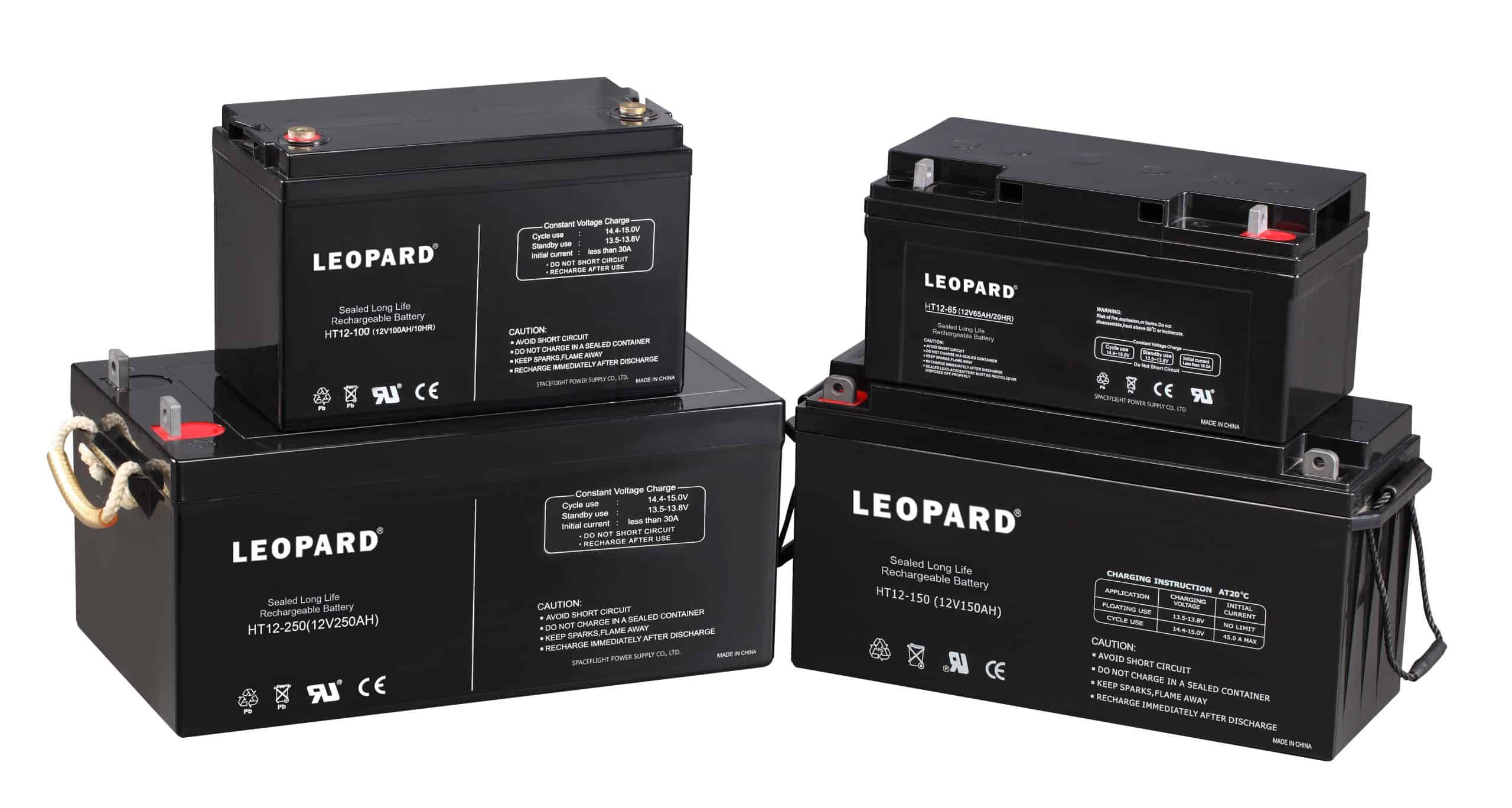
Improving safety standards for VRLA batteries used in critical infrastructure requires a multi-faceted approach. Industry regulations, best practices, and technological innovations must work in tandem to reduce risks and improve the reliability of these batteries.
3.1. Industry Regulations and Standards
Several organizations provide guidelines and standards for the safe use of VRLA batteries. Some of the key standards include:
- UL 1989: This standard sets safety requirements for VRLA batteries, including performance under extreme conditions, short-circuit tests, and guidelines for venting systems.
- IEC 60896-21: This international standard outlines the performance requirements for stationary lead-acid batteries, including VRLA types. It includes provisions on battery safety under normal and fault conditions.
- IEEE 1188-2005: This standard addresses the testing and maintenance of VRLA batteries in critical infrastructure applications, providing guidelines for safe operation and monitoring.
These standards are essential for ensuring that manufacturers produce batteries that meet safety criteria. They also provide the framework for routine maintenance and inspection to catch early signs of potential issues before they escalate into more severe problems.
3.2. Improved Battery Design and Manufacturing Techniques
Manufacturers can take several steps to improve the safety of VRLA batteries:
- Enhanced Venting Systems: VRLA batteries are designed with safety valves that prevent the release of excess gas. Manufacturers are increasingly focusing on improving the venting mechanism to ensure that gas is safely released if internal pressure builds up. This can prevent battery rupture and the associated risks.
- Thermal Management: Incorporating temperature sensors and advanced cooling systems into VRLA batteries can prevent overheating, reducing the risk of thermal runaway and prolonging battery life. Additionally, intelligent battery management systems (BMS) can be used to monitor the temperature and prevent charging beyond safe limits.
- Better Materials: The use of corrosion-resistant materials in the construction of battery terminals and casings can prevent degradation over time. This is especially important for batteries used in harsh or humid environments, where corrosion may occur more quickly.
- Fail-Safe Designs: Manufacturers are also developing fail-safe battery designs that are less likely to cause hazardous incidents. This includes improving internal construction to minimize the chance of short circuits, as well as reinforcing external casings to better handle mechanical stress.
3.3. Real-Time Battery Monitoring and Predictive Maintenance
The implementation of Battery Management Systems (BMS) with real-time monitoring can greatly enhance safety. BMS technologies are capable of:
- Tracking State of Charge (SOC) and State of Health (SOH): This allows operators to monitor the battery’s performance and detect any abnormalities that could indicate a safety risk.
- Temperature Monitoring: By continuously monitoring battery temperature, BMS can shut down or adjust charging rates to prevent overheating.
- Voltage and Current Control: BMS can ensure that batteries are charged within safe voltage and current limits, preventing overcharging and thermal runaway.
Predictive maintenance is also becoming a more common practice, where machine learning algorithms analyze data from BMS to predict when maintenance or replacement will be needed, thus preventing failures before they occur.
3.4. Regular Inspections and Maintenance
Routine maintenance remains a key aspect of preventing issues in VRLA batteries used in critical infrastructure. Regular inspection of key parameters such as voltage, temperature, electrolyte levels, and battery casing condition helps identify early signs of wear or degradation. This proactive approach can prevent potential issues from developing into major failures.
Training personnel to perform these inspections and understanding the importance of preventive measures ensures that critical infrastructure remains reliable and safe.