The Essential Guide to Marine Lead-Acid Batteries: Durability & Corrosion Resistance
AUG.07,2025Lead-Acid Batteries for Golf Carts: Key Benefits & Trends
AUG.06,2025Energy Storage Solutions: Lead-Aide Batteries vs. Lithium-Ion
JUL.28,2025Understanding AGM Lead-Acid Batteries for Backup Power
JUL.28,2025Flooded Lead-Acid Batteries for Renewable Energy Storage
JUL.28,2025Gel Lead-Acid Batteries: A Long-Lasting Solution for Off-Grid Power
JUL.23,2025The Role of Lead-Acid Batteries in Electric Golf Carts
JUL.21,2025Telecom Power Systems: The Role of Lead-Acid Batteries
JUL.15,2025Lead-Acid Batteries in Power Tools: Dependability and Performance
JUL.15,2025Choosing Lead-Acid Batteries for Medical Equipment Backup
JUL.15,2025 Spaceflight Power Supply Co., Ltd.
Tel: +86-760-22555873
Fax: +86-760-22555873
E-mail: [email protected]
Add: 2108, Haigang City Office Building, No.1 Shengping East Road, Xiaolan Town, Zhongshan City, Guangdong Province
In today’s energy-conscious world, having a reliable backup power system is crucial for homes, businesses, and critical infrastructure. Whether it’s a sudden power outage, planned maintenance, or off-grid usage, the need for uninterrupted electricity has made battery storage a central part of modern energy systems. Among the various battery types available, Absorbent Glass Mat (AGM) lead-acid batteries stand out as a dependable, cost-effective, and low-maintenance solution for backup power.
This article explores the fundamentals of AGM lead-acid batteries, their advantages in backup power systems, and key considerations for users looking to integrate them into their energy storage strategy.
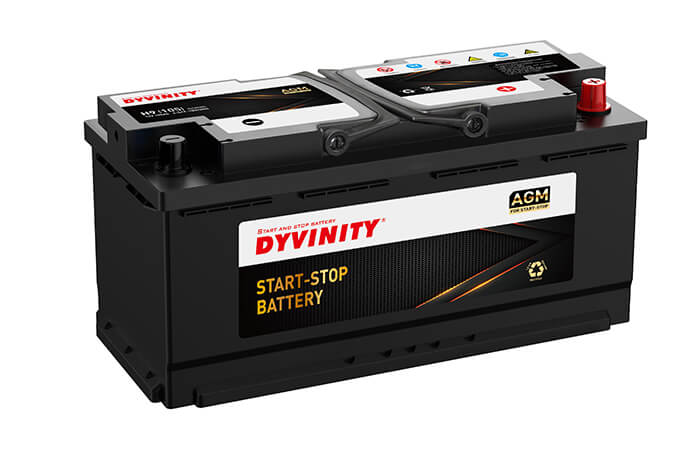
AGM (Absorbent Glass Mat) batteries are a type of sealed lead-acid (SLA) battery. Instead of using a free-flowing liquid electrolyte like traditional flooded lead-acid batteries, AGM batteries use glass fiber mats to absorb the electrolyte and hold it in place between the lead plates. This construction results in a spill-proof, maintenance-free, and vibration-resistant battery.
AGM batteries are classified as Valve-Regulated Lead-Acid (VRLA) batteries, meaning they have a pressure valve that vents gas only when internal pressure exceeds safe limits. This design makes them safer and more convenient for use in indoor and sensitive environments.

AGM batteries have specific attributes that make them particularly well-suited for standby power and backup applications:
One of the biggest advantages of AGM batteries is their sealed, maintenance-free design. Unlike flooded batteries, which require regular water top-ups and ventilation, AGM batteries do not need ongoing servicing.
AGM batteries are known for delivering stable voltage output and consistent performance. In backup power systems, this reliability is critical when the battery is called upon during outages or emergencies.
Thanks to their sealed construction and valve regulation, AGM batteries are safer than traditional flooded batteries. They emit minimal gas under normal operating conditions, reducing the risk of fire or corrosion.
AGM batteries are capable of deep discharges and high-rate discharges, making them versatile for both long-duration and high-power-demand backup systems.
The internal components of AGM batteries are tightly compressed, making them highly resistant to vibration, impact, and shock.
AGM batteries are used across a wide range of backup power scenarios:
AGM batteries are commonly found in UPS systems for homes, businesses, and data centers. They provide immediate power during outages, giving users time to safely shut down equipment or switch to generators.
In commercial buildings, AGM batteries power emergency lighting systems, ensuring visibility during blackouts or evacuations.
AGM batteries are widely used in telecom systems, including remote base stations and network hubs, offering dependable backup when grid power fails.
While lithium batteries are gaining popularity, AGM remains a popular choice for small to medium-sized solar setups due to their lower cost and easy maintenance.
Homeowners use AGM batteries for residential energy storage, especially in conjunction with solar panels or portable inverters, to power essential loads like refrigerators, lighting, and communication devices.

While AGM batteries offer many benefits, there are a few considerations to keep in mind when choosing them for backup systems:
AGM batteries are heavier and larger than lithium-ion batteries for the same energy capacity. This may be a limitation in applications where space or weight is a concern.
Although AGM batteries last longer than flooded batteries, they still have a shorter lifespan than lithium-ion batteries, especially under frequent deep discharge cycles.
AGM batteries generally take longer to recharge compared to lithium batteries, which may be a drawback in systems that require rapid recharging between backup cycles.
To get the most out of your AGM battery system, follow these best practices:
AGM lead-acid batteries strike a balance between affordability, reliability, and ease of use, making them an excellent choice for a wide range of backup power applications. Their sealed, spill-proof design, combined with maintenance-free operation and strong performance, make them especially suitable for environments where safety and reliability are critical.
While newer technologies like lithium-ion offer higher energy density and longer lifespan, AGM batteries remain a trusted solution for users who need a proven, cost-effective backup power source. Whether you’re protecting sensitive electronics, powering a telecom site, or backing up a solar system, AGM batteries offer a dependable foundation for uninterrupted power when it matters most.
Spaceflight Power was founded in 1994 and named Zhongshan Spaceflight Power supply Co,. Ltd. In 2006, the company’s production base moved to Jiangxi Province for a larger production space with 120,000 square meters.
---- Read more Read more >>Copyright © 2026 - Spaceflight Power Supply Co., Ltd. ALL RIGHTS RESERVED Shipping PolicyReturn PolicyPrivacy Policy