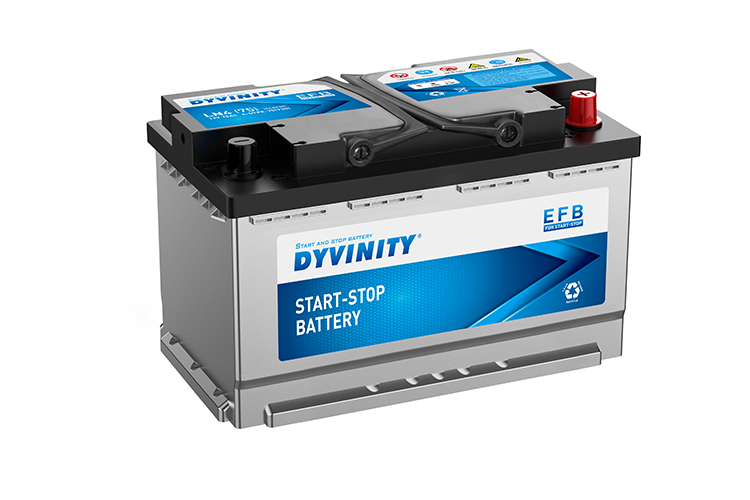
Lead-acid batteries play a crucial role in a wide range of marine power systems. They are used in two main functions:
- Starting Batteries: These batteries are designed to power the engine’s starter motor, providing the burst of energy required to start the boat’s engine.
- Deep-Cycle Batteries: These are designed to provide continuous power for onboard systems such as lights, pumps, navigation equipment, and radios when the boat is not running. Unlike starting batteries, deep-cycle batteries can be discharged and recharged multiple times without significant damage to their capacity.
Understanding the difference between these two types of batteries is essential when choosing the right lead-acid battery for your vessel.
Types of Lead-Acid Batteries for Marine Use
There are several types of lead-acid batteries available on the market, each designed to meet different power needs. The main categories are:
- Flooded Lead-Acid Batteries (FLA)
Flooded lead-acid batteries are the most traditional and commonly used type in marine applications. They consist of lead plates submerged in a liquid electrolyte solution of sulfuric acid and water. These batteries are known for their affordability and reliability.
- Advantages:
- Cost-Effective: Flooded batteries are usually cheaper compared to other lead-acid types.
- Reliable and Durable: They have a long history of performance, with proper maintenance, they can last for years.
- Widespread Availability: Since flooded batteries have been around for decades, they are widely available and easy to replace.
- Disadvantages:
- Maintenance: Flooded batteries require regular maintenance, including checking and topping off the water levels to avoid damage.
- Spillage Risk: These batteries are prone to leaking if not properly maintained, which can be hazardous in a marine environment.
- Gassing: They emit hydrogen gas during charging, requiring proper ventilation to avoid potential risks.
- Sealed Lead-Acid Batteries (SLA)
Sealed lead-acid batteries, including Absorbent Glass Mat (AGM) and Gel batteries, are maintenance-free options designed for convenience and safety. They do not require water refills and are sealed to prevent leaks or spills.
- Advantages:
- Low Maintenance: No need for water refilling or regular checks.
- Safer: The sealed design minimizes the risk of acid spills or gas emissions, making them safer for use in confined or enclosed spaces.
- Vibration Resistant: Sealed lead-acid batteries tend to be more resistant to vibration, which is particularly important for marine environments.
- Longer Lifespan: AGM and Gel batteries often last longer than flooded batteries, especially if properly maintained.
- Disadvantages:
- Higher Initial Cost: Sealed lead-acid batteries tend to be more expensive than flooded lead-acid batteries.
- Limited Discharge Depth: AGM and Gel batteries are more sensitive to deep discharges compared to flooded batteries, which can reduce their lifespan if not properly managed.
- Charging Sensitivity: Sealed batteries require more careful charging management to avoid overcharging, which can cause damage.
- Gel Lead-Acid Batteries
Gel batteries are a subtype of sealed lead-acid batteries. They use a gelled electrolyte, which is more stable than the liquid electrolyte in flooded batteries. Gel batteries are commonly used in applications requiring deep cycling, such as powering onboard electronics and auxiliary systems.
- Advantages:
- Deep Cycling Capability: Gel batteries are designed to handle deep discharges without significant damage, making them ideal for marine systems that need consistent power.
- Sealed and Spill-Proof: Like other sealed batteries, gel batteries are spill-proof and safe for use in harsh marine environments.
- Longer Cycle Life: Gel batteries typically have a longer cycle life compared to flooded batteries, making them more cost-effective over time.
- Disadvantages:
- Cost: Gel lead-acid batteries tend to be more expensive than flooded lead-acid batteries.
- Charging Sensitivity: They require special charging algorithms to prevent overcharging, which can shorten their lifespan if not properly managed.
- Absorbent Glass Mat (AGM) Batteries
AGM batteries are another type of sealed lead-acid battery that uses a fiberglass mat to absorb the electrolyte, keeping it in place and preventing leakage. AGM batteries are known for their high power density and reliability.
- Advantages:
- Maintenance-Free: AGM batteries are completely sealed, requiring no water refills or maintenance.
- Fast Charging: AGM batteries can be charged more quickly than flooded batteries, making them ideal for applications that require rapid power restoration.
- Vibration Resistance: AGM batteries are more resilient to vibrations than flooded batteries, making them a great option for boats operating in rough seas.
- Longer Lifespan: AGM batteries generally last longer than flooded batteries, especially if properly charged and maintained.
- Disadvantages:
- Price: AGM batteries are generally more expensive than flooded lead-acid batteries.
- Charging Requirements: AGM batteries require specific charging methods to prevent damage. Overcharging or undercharging can reduce their lifespan.