The Essential Guide to Marine Lead-Acid Batteries: Durability & Corrosion Resistance
AUG.07,2025Lead-Acid Batteries for Golf Carts: Key Benefits & Trends
AUG.06,2025Energy Storage Solutions: Lead-Aide Batteries vs. Lithium-Ion
JUL.28,2025Understanding AGM Lead-Acid Batteries for Backup Power
JUL.28,2025Flooded Lead-Acid Batteries for Renewable Energy Storage
JUL.28,2025Gel Lead-Acid Batteries: A Long-Lasting Solution for Off-Grid Power
JUL.23,2025The Role of Lead-Acid Batteries in Electric Golf Carts
JUL.21,2025Telecom Power Systems: The Role of Lead-Acid Batteries
JUL.15,2025Lead-Acid Batteries in Power Tools: Dependability and Performance
JUL.15,2025Choosing Lead-Acid Batteries for Medical Equipment Backup
JUL.15,2025 Spaceflight Power Supply Co., Ltd.
Tel: +86-760-22555873
Fax: +86-760-22555873
E-mail: [email protected]
Add: 2108, Haigang City Office Building, No.1 Shengping East Road, Xiaolan Town, Zhongshan City, Guangdong Province
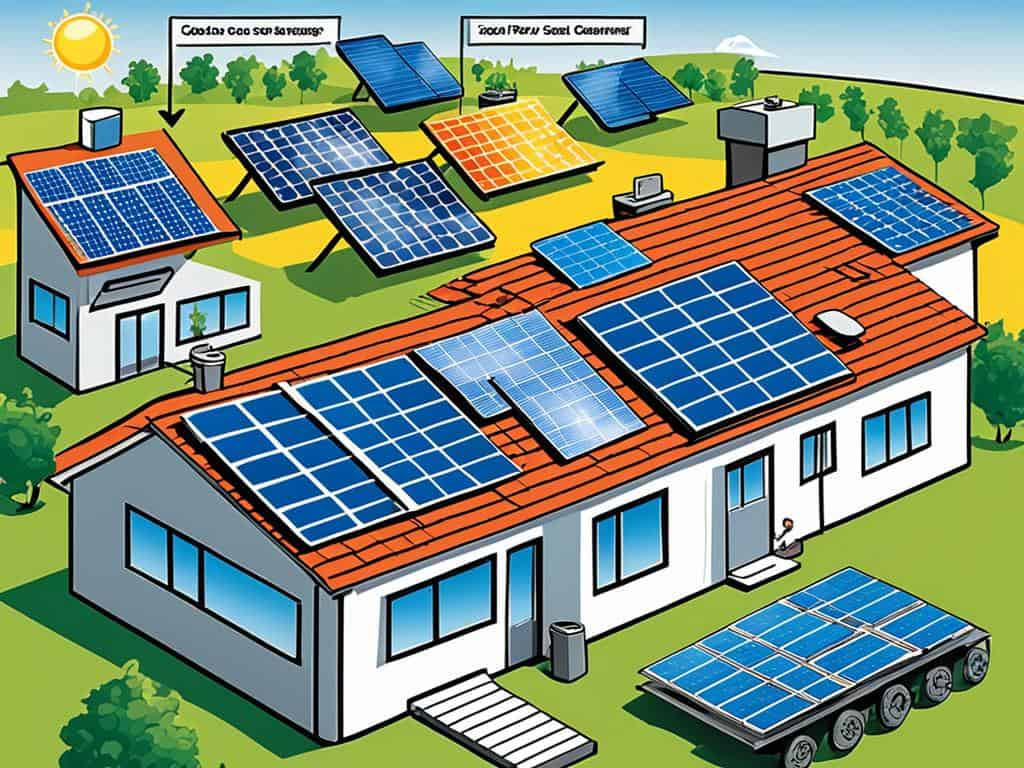
As the world shifts towards renewable energy, solar power has become one of the most popular and sustainable energy sources. Solar energy systems, however, require efficient energy storage solutions to ensure a constant power supply even when the sun isn’t shining. Lead-acid batteries have long been a reliable and cost-effective choice for storing energy in solar power systems. This article explores the role of lead-acid batteries in solar power systems, their advantages, challenges, and considerations for optimal performance.
In a solar power system, photovoltaic (PV) panels capture sunlight and convert it into electricity. However, this energy production is intermittent—solar power is generated during the day but not at night or on cloudy days. To ensure a constant power supply, excess energy generated during the day must be stored for use during times when the sun is not available. Lead-acid batteries are commonly used for this energy storage function due to their affordability, reliability, and availability.
When integrated into solar power systems, lead-acid batteries store energy for later use, helping users maintain power even when solar energy production is low. The stored energy can be used to power home appliances, lighting, or even entire off-grid homes, making lead-acid batteries a crucial component in both residential and commercial solar energy setups.

There are two main types of lead-acid batteries used in solar power systems: flooded lead-acid (FLA) and sealed lead-acid batteries, which include both Absorbent Glass Mat (AGM) and Gel batteries. Each type has distinct advantages and specific use cases.
Flooded lead-acid batteries are the traditional type of lead-acid battery. They are composed of lead plates submerged in an electrolyte solution of sulfuric acid and water. These batteries are often used in larger solar installations because they are cost-effective and can handle deep discharges. However, they require regular maintenance, including monitoring and topping off the electrolyte levels, and they can emit hydrogen gas during charging, necessitating proper ventilation.
Sealed lead-acid batteries, including AGM and Gel batteries, are maintenance-free and do not require the addition of water. These batteries use a different design to prevent the electrolyte from spilling, making them ideal for applications where maintenance is difficult or inconvenient. Sealed batteries are also more resistant to leaks and can operate in a wider range of temperatures. They are more expensive than flooded lead-acid batteries but can offer more convenience and safety.
While lead-acid batteries offer many benefits, there are some important factors to consider when integrating them into solar power systems.
Lead-acid batteries have a limited number of charge-discharge cycles compared to more advanced battery technologies like lithium-ion batteries. The typical lifespan of a lead-acid battery in a solar system is between 3 to 5 years, depending on the depth of discharge (DoD) and how well the battery is maintained. To maximize battery life, it is essential to avoid discharging the battery completely on a regular basis. Instead, aim to discharge it to about 50% to 70% of its capacity to extend its operational lifespan.
Temperature can have a significant impact on the performance of lead-acid batteries. High temperatures can accelerate the rate of battery degradation, while extreme cold can reduce the battery’s capacity. It is essential to install lead-acid batteries in a well-ventilated area that remains within the recommended temperature range, usually between 20°C to 25°C (68°F to 77°F), for optimal performance.
Lead-acid batteries are less efficient in terms of charging and discharging compared to newer technologies like lithium-ion batteries. This means that they require more energy to charge fully, which can impact the overall efficiency of a solar power system. To minimize energy losses, it is crucial to have a well-designed charge controller that can optimize charging and prevent overcharging.
Although sealed lead-acid batteries are maintenance-free, flooded lead-acid batteries require more attention. Users need to monitor electrolyte levels, clean terminals, and ensure proper ventilation. Regular maintenance ensures that the battery performs efficiently and lasts longer.

Lead-acid batteries remain a popular choice for solar power systems due to their cost-effectiveness, reliability, and proven technology. Whether in off-grid homes, remote locations, or commercial solar installations, these batteries play a crucial role in storing solar energy for later use, ensuring a continuous and stable power supply. However, they do require careful management to optimize performance and lifespan, particularly with regard to temperature control, charging protocols, and regular maintenance.
As solar energy continues to grow as a primary power source, lead-acid batteries will remain an essential component of many solar setups. With the right care and installation, these batteries can provide years of reliable service, making them an ideal option for those seeking a cost-effective, efficient, and sustainable energy storage solution.
Spaceflight Power was founded in 1994 and named Zhongshan Spaceflight Power supply Co,. Ltd. In 2006, the company’s production base moved to Jiangxi Province for a larger production space with 120,000 square meters.
Learn About Spaceflight Power Learn About Spaceflight PowerCopyright © 2026 - Spaceflight Power Supply Co., Ltd. ALL RIGHTS RESERVED Shipping PolicyReturn PolicyPrivacy Policy