Collection and Transportation
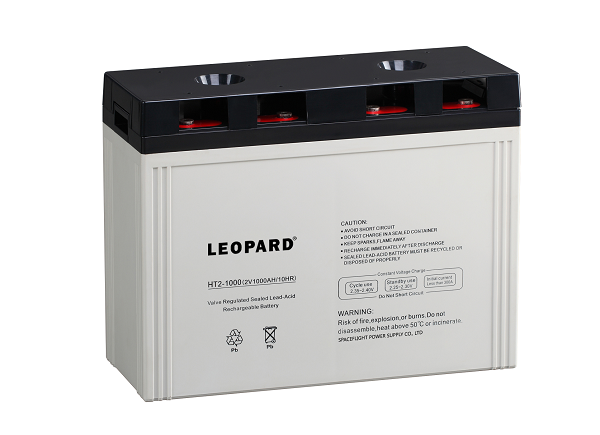
The first step in lead-acid battery recycling is the collection and transportation of spent batteries from various sources, including automotive service centers, recycling facilities, and collection points. Collection services are frequently offered by specialized recycling businesses to guarantee the secure and effective delivery of batteries to recycling facilities.
Battery Breaking
Once collected, lead-acid batteries undergo a battery breaking process to separate their components for recycling. This process typically involves crushing or shredding the batteries to break them into smaller pieces, allowing for the separation of lead, plastic, and electrolyte components.
Lead Smelting
The lead recovered from spent batteries is smelted in specialized facilities to remove impurities and produce pure lead metal. The smelting process involves melting the lead scrap in furnaces at high temperatures, where impurities are oxidized and separated from the molten lead. The purified lead is then cast into ingots or other forms for use in manufacturing new batteries or other products.
Plastic Recycling
The plastic casings of lead-acid batteries are also recycled to recover polypropylene, a valuable material used in various applications. After battery breaking, the plastic components are separated from the lead and other materials through processes such as washing, shredding, and melting. Recycled plastic may be used to make new battery casings, vehicle parts, and various plastic items.
Electrolyte Treatment
The sulfuric acid electrolyte extracted from lead-acid batteries is neutralized and treated to remove impurities before disposal or reuse. Neutralization typically involves mixing the electrolyte with alkalis such as sodium hydroxide or calcium hydroxide to neutralize its acidity and render it safe for disposal or further processing.