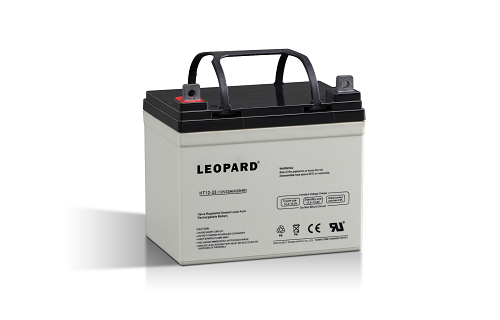
Weight and Space Constraints
The very poor energy density of lead-acid batteries in comparison to other battery chemistries is one of its drawbacks. This results in a higher weight-to-energy ratio, which can be a concern for vessels where weight and space are at a premium. Balancing the need for sufficient power with the constraints of weight and space requires careful consideration in marine battery selection.
Maintenance Requirements
For flooded lead-acid batteries to operate at their best and last a long time, frequent maintenance is necessary. Tasks such as checking electrolyte levels, cleaning terminals, and equalizing charges are essential to prevent degradation and prolong battery life. In contrast, VRLA batteries offer a maintenance-free alternative but may have a shorter lifespan and higher upfront cost.
Future Trends and Innovations
Marine lead-acid batteries still hold a major place in the maritime sector, even in the face of new battery technologies like lithium-ion. Ongoing research and development efforts focus on enhancing the performance and sustainability of lead-acid batteries through advancements in materials, design, and manufacturing processes. Innovations such as hybrid battery systems, which combine lead-acid batteries with other energy storage technologies, offer promising solutions to overcome the limitations of traditional lead-acid batteries.