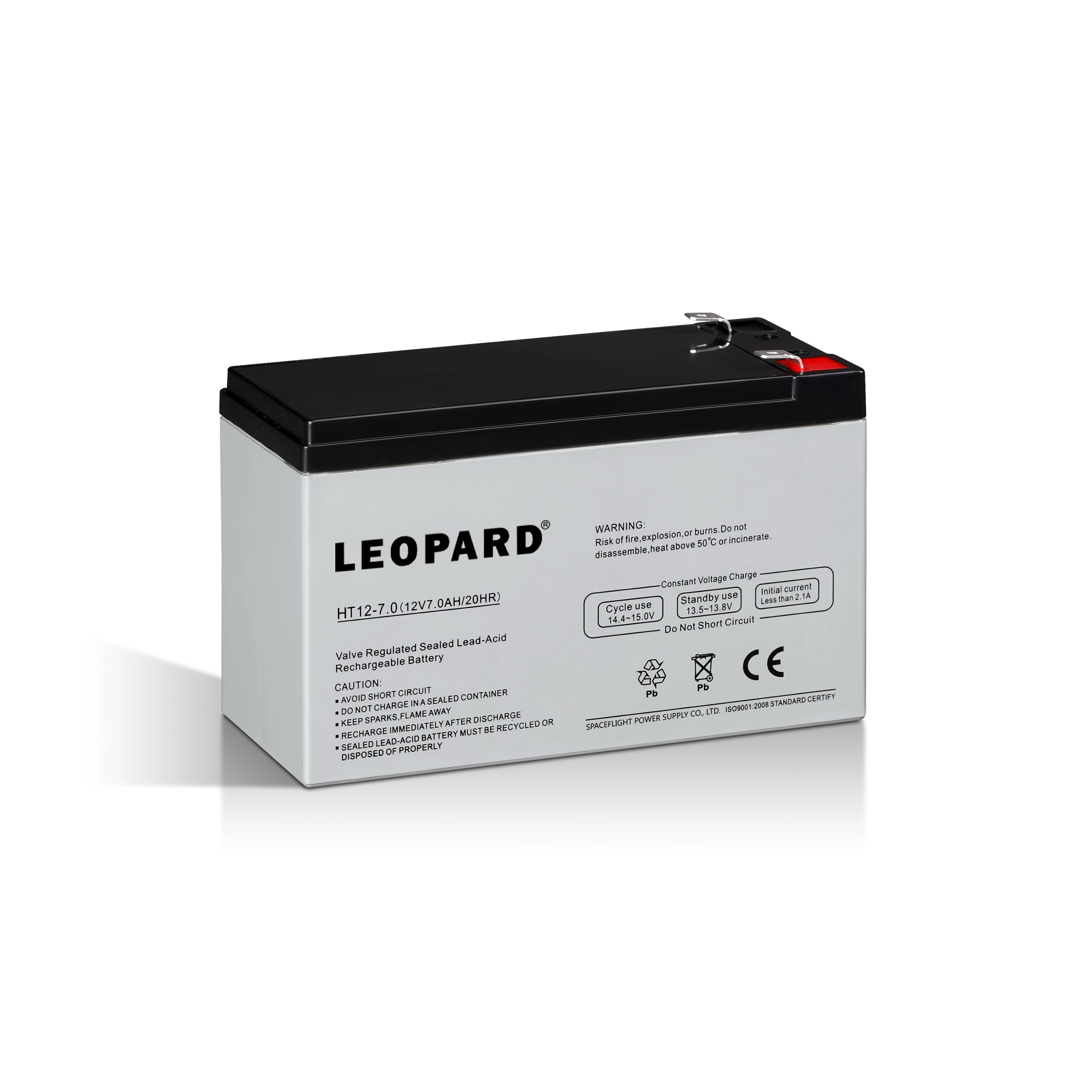
Enhanced Performance
Ongoing research and development aim to improve the performance of lead-acid batteries. Advances in materials and design are leading to batteries with higher energy density, longer cycle life, and reduced maintenance requirements.
Valve-Regulated Lead-Acid (VRLA) Batteries
VRLA batteries, including Absorbent Glass Mat (AGM) and Gel Cell batteries, are becoming increasingly popular in standby power applications. These batteries are sealed and maintenance-free, offering improved safety and convenience.
- AGM Batteries: AGM batteries use a glass mat to absorb the electrolyte, making them spill-proof and more resistant to vibration. They offer higher power output and faster charging compared to traditional flooded lead-acid batteries.
- Gel Cell Batteries: Gel cell batteries use a gelled electrolyte, providing excellent deep-cycle performance and reduced risk of leakage. They are ideal for applications requiring frequent discharge and recharge cycles.
Hybrid Systems
Combining lead-acid batteries with other energy storage technologies, such as lithium-ion batteries or supercapacitors, can enhance the overall performance of standby power systems. Hybrid systems can leverage the strengths of each technology, providing improved efficiency, reliability, and scalability.
Renewable Energy Integration
Lead-acid batteries are increasingly being integrated with renewable energy systems, such as solar and wind power, to provide reliable backup power. Advances in battery management systems (BMS) and energy management technologies are facilitating the seamless integration of lead-acid batteries with renewable energy sources.