The Essential Guide to Marine Lead-Acid Batteries: Durability & Corrosion Resistance
AUG.07,2025Lead-Acid Batteries for Golf Carts: Key Benefits & Trends
AUG.06,2025Energy Storage Solutions: Lead-Aide Batteries vs. Lithium-Ion
JUL.28,2025Understanding AGM Lead-Acid Batteries for Backup Power
JUL.28,2025Flooded Lead-Acid Batteries for Renewable Energy Storage
JUL.28,2025Gel Lead-Acid Batteries: A Long-Lasting Solution for Off-Grid Power
JUL.23,2025The Role of Lead-Acid Batteries in Electric Golf Carts
JUL.21,2025Telecom Power Systems: The Role of Lead-Acid Batteries
JUL.15,2025Lead-Acid Batteries in Power Tools: Dependability and Performance
JUL.15,2025Choosing Lead-Acid Batteries for Medical Equipment Backup
JUL.15,2025 Spaceflight Power Supply Co., Ltd.
Tel: +86-760-22555873
Fax: +86-760-22555873
E-mail: [email protected]
Add: 2108, Haigang City Office Building, No.1 Shengping East Road, Xiaolan Town, Zhongshan City, Guangdong Province
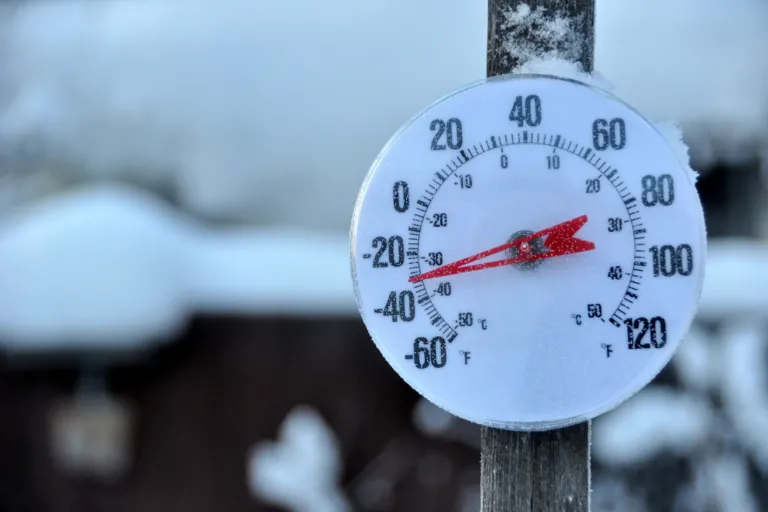
Lead-acid batteries are among the most widely used energy storage solutions across various industries, including automotive, renewable energy, and backup power systems. However, like most battery technologies, their performance can degrade significantly under certain environmental conditions. Low-temperature environments pose a particular challenge for lead-acid batteries, affecting their efficiency, longevity, and overall functionality. This article explores the performance of lead-acid batteries in cold conditions, the factors influencing their behavior, and strategies for improving their operation in low-temperature environments.

Lead-acid batteries, consisting of lead plates submerged in a sulfuric acid electrolyte, are typically designed to operate efficiently within a specific temperature range. Temperature plays a crucial role in the battery’s chemical reactions, which directly impact its voltage output, charge and discharge efficiency, and overall lifespan.
1.1. Battery Chemistry and Temperature
At low temperatures, the electrochemical reactions within the lead-acid battery slow down, leading to a reduced ability to charge and discharge efficiently. The viscosity of the electrolyte increases as the temperature drops, which results in increased internal resistance. This increase in internal resistance limits the flow of current and significantly diminishes the battery’s overall performance. In the worst cases, the battery may fail to deliver the necessary power to start an engine or run essential systems, such as those used in backup power applications.
1.2. Effects of Low Temperature on Lead-Acid Batteries
Low temperatures affect lead-acid batteries in the following ways:
The impact of cold weather on lead-acid batteries can vary based on the specific type of lead-acid battery, such as flooded, sealed lead-acid (SLA), or absorbed glass mat (AGM). However, all lead-acid batteries experience some form of reduced performance in low temperatures.
2.1. Flooded Lead-Acid Batteries
Flooded lead-acid batteries are the most commonly used and cost-effective type. They are typically more sensitive to temperature fluctuations due to the open-cell design that allows for gas release during charging. In low temperatures:
2.2. Sealed Lead-Acid (SLA) Batteries
Sealed lead-acid batteries, including AGM (Absorbed Glass Mat) and Gel cell batteries, are typically less sensitive to external temperature conditions than flooded versions. However, they still experience reduced performance in cold weather. In low temperatures:
2.3. AGM Lead-Acid Batteries
AGM batteries are a subtype of sealed lead-acid batteries known for their superior vibration resistance and lower maintenance requirements. However, in low temperatures, AGM batteries still face challenges:
Several factors affect the extent to which lead-acid batteries will suffer in low temperatures:
3.1. State of Charge (SOC)
A fully charged lead-acid battery performs significantly better in cold conditions than a partially charged or discharged one. A low state of charge increases the likelihood of freezing, which can cause irreversible damage. Additionally, a low SOC will reduce the battery’s ability to provide the required power in cold environments.
3.2. Battery Age and Health
Older batteries or batteries with degraded cells are less capable of handling temperature extremes. Aging and wear result in reduced capacity and efficiency, making the battery more vulnerable to performance drops in cold weather.
3.3. Battery Size and Design
Larger batteries or those specifically designed for high-performance applications (e.g., starting large engines) may be more resilient to cold conditions. High-capacity batteries can store more energy and provide higher current output, even when the temperature drops. The quality of construction (e.g., use of corrosion-resistant materials) can also impact the battery’s ability to withstand cold weather.
While lead-acid batteries are not the most ideal power solution for extremely cold environments, several strategies can be used to enhance their performance and longevity:
4.1. Battery Insulation
Insulating the battery is one of the simplest and most effective ways to prevent heat loss and reduce the impacts of cold temperatures. Thermal insulation blankets or custom battery boxes can help maintain a more stable temperature around the battery, preventing freezing and reducing capacity loss. Insulation helps to retain the heat generated during charging and discharging, improving performance in colder climates.
4.2. Keep Batteries Fully Charged
To minimize the effects of cold temperatures, it’s crucial to keep the battery fully charged. A fully charged lead-acid battery is more resistant to freezing and can maintain higher efficiency in low temperatures. In cold regions, automatic battery chargers with temperature compensation are recommended to ensure that the battery remains charged without overcharging.
4.3. Use a Battery Warmer
In areas with extremely low temperatures, battery warmers can be used to keep the battery at an optimal temperature range. These devices are often integrated into battery storage systems or can be placed directly on the battery to ensure it stays warm enough to function properly.
4.4. Regular Maintenance and Monitoring
Regular inspection and maintenance are key to ensuring that a lead-acid battery performs well in cold weather. Checking for signs of corrosion, ensuring proper terminal connections, and monitoring the battery’s state of charge regularly can help prevent performance degradation. It’s also essential to monitor electrolyte levels in flooded batteries and top them off as needed.

Lead-acid batteries, while reliable in many applications, face challenges in low-temperature environments due to their reduced performance, slower charging, and potential risk of freezing. However, with the right maintenance practices, design considerations, and strategic interventions, their performance can be optimized in colder climates. For those relying on lead-acid batteries in environments prone to freezing temperatures, insulation, regular charging, and battery warming systems are effective strategies to improve reliability and longevity. Ultimately, while these batteries remain a cost-effective option for many, their limitations in extreme cold should be carefully considered when planning energy solutions for cold-weather applications.
Spaceflight Power was founded in 1994 and named Zhongshan Spaceflight Power supply Co,. Ltd. In 2006, the company’s production base moved to Jiangxi Province for a larger production space with 120,000 square meters.
Learn About Spaceflight Power Learn About Spaceflight PowerCopyright © 2026 - Spaceflight Power Supply Co., Ltd. ALL RIGHTS RESERVED Shipping PolicyReturn PolicyPrivacy Policy