

The Essential Guide to Marine Lead-Acid Batteries: Durability & Corrosion Resistance
AUG.07,2025Lead-Acid Batteries for Golf Carts: Key Benefits & Trends
AUG.06,2025Energy Storage Solutions: Lead-Aide Batteries vs. Lithium-Ion
JUL.28,2025Understanding AGM Lead-Acid Batteries for Backup Power
JUL.28,2025Flooded Lead-Acid Batteries for Renewable Energy Storage
JUL.28,2025Gel Lead-Acid Batteries: A Long-Lasting Solution for Off-Grid Power
JUL.23,2025The Role of Lead-Acid Batteries in Electric Golf Carts
JUL.21,2025Telecom Power Systems: The Role of Lead-Acid Batteries
JUL.15,2025Lead-Acid Batteries in Power Tools: Dependability and Performance
JUL.15,2025Choosing Lead-Acid Batteries for Medical Equipment Backup
JUL.15,2025 Spaceflight Power Supply Co., Ltd.
Tel: +86-760-22555873
Fax: +86-760-22555873
E-mail: [email protected]
Add: 2108, Haigang City Office Building, No.1 Shengping East Road, Xiaolan Town, Zhongshan City, Guangdong Province
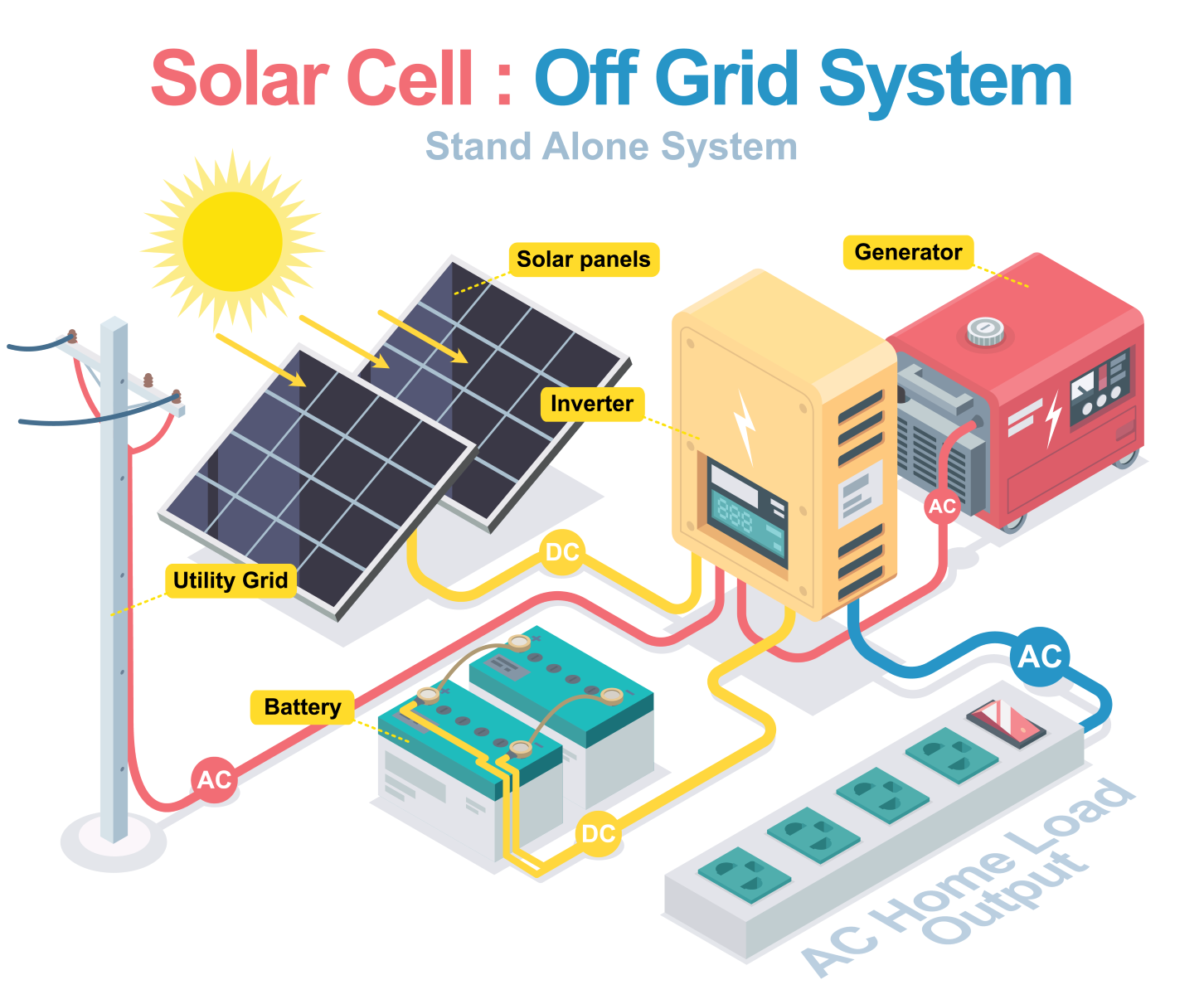
Microgrid systems represent a significant innovation in modern energy management, offering localized, autonomous power generation and distribution. These systems are particularly beneficial in remote areas, disaster recovery scenarios, and for integrating renewable energy sources. Lead-acid batteries, with their proven reliability and cost-effectiveness, play a crucial role in the energy storage component of microgrids. This article explores the integration of lead-acid batteries in microgrid systems, examining their advantages, challenges, and the best practices for optimizing their performance.

Definition and Components
A microgrid is a localized grid that can operate independently or in conjunction with the main power grid. It typically comprises the following components:
Benefits of Microgrids
Microgrids offer several advantages:
Proven Reliability and Durability
Lead-acid batteries have been used for over a century, proving their reliability in various applications. Their robustness makes them suitable for the demanding requirements of microgrid systems, where consistent and dependable performance is critical.
Cost-Effectiveness
Compared to newer battery technologies like lithium-ion, lead-acid batteries are more affordable. This cost advantage makes them an attractive option for microgrid projects, especially in areas with budget constraints.
Ease of Maintenance and Recycling
Lead-acid batteries are relatively easy to maintain, and their well-established recycling processes make them environmentally friendly. This ease of recycling reduces the environmental impact and contributes to the sustainability of microgrid systems.
Limited Cycle Life
One of the main limitations of lead-acid batteries is their relatively short cycle life compared to lithium-ion batteries. Frequent deep discharges can significantly reduce their lifespan, necessitating more frequent replacements.
Lower Energy Density
Lead-acid batteries have a lower energy density, meaning they require more space and weight to store the same amount of energy as newer technologies. This can be a constraint in applications where space is limited.
Maintenance Requirements
Flooded lead-acid batteries require regular maintenance, such as topping up the electrolyte levels. Although Valve-Regulated Lead-Acid (VRLA) batteries are maintenance-free, they still need periodic checks to ensure optimal performance.
Enhanced Plate Design
Advancements in plate design have improved the efficiency and longevity of lead-acid batteries:
Improved Electrolyte Formulations
Innovations in electrolyte formulations have enhanced battery performance:
Smart Battery Management Systems (BMS)
Integrating intelligent BMS with lead-acid batteries can optimize their performance:
Proper Sizing and Configuration
Correctly sizing the battery system for the microgrid’s energy needs is crucial. This involves calculating total energy consumption, peak load requirements, and desired backup duration. Over-sizing or under-sizing can lead to inefficiencies and reduced lifespan.
Optimal Placement and Installation
The placement and installation of lead-acid batteries can significantly impact their performance:
Regular Maintenance and Monitoring
Regular maintenance and monitoring are essential for ensuring reliable performance:
Remote and Off-Grid Communities
Lead-acid batteries are ideal for providing reliable power to remote and off-grid communities:
Emergency and Disaster Recovery
In emergency and disaster recovery scenarios, lead-acid batteries provide dependable backup power:
Commercial and Industrial Applications
Microgrids with lead-acid batteries are also used in commercial and industrial settings:
Hybrid Systems
Combining lead-acid batteries with other battery technologies, such as lithium-ion, can leverage the strengths of both:
Advanced Energy Management
Integrating lead-acid batteries with advanced energy management systems can maximize efficiency:
Continued Innovation
Ongoing research and development are likely to yield further improvements in lead-acid battery technology:
Lead-acid batteries continue to be a viable and cost-effective option for microgrid systems, offering reliability and ease of maintenance. While they face challenges such as limited cycle life and lower energy density, innovations in technology and best practices in integration can mitigate these issues. By correctly sizing, installing, and maintaining lead-acid battery systems, microgrids can achieve reliable and efficient energy storage. As technology advances, lead-acid batteries will remain an integral part of the evolving landscape of energy management, providing dependable power solutions for various applications.
Spaceflight Power was founded in 1994 and named Zhongshan Spaceflight Power supply Co,. Ltd. In 2006, the company’s production base moved to Jiangxi Province for a larger production space with 120,000 square meters.
Learn About Spaceflight Power Learn About Spaceflight PowerCopyright © 2026 - Spaceflight Power Supply Co., Ltd. ALL RIGHTS RESERVED Shipping PolicyReturn PolicyPrivacy Policy