The Essential Guide to Marine Lead-Acid Batteries: Durability & Corrosion Resistance
AUG.07,2025Lead-Acid Batteries for Golf Carts: Key Benefits & Trends
AUG.06,2025Energy Storage Solutions: Lead-Aide Batteries vs. Lithium-Ion
JUL.28,2025Understanding AGM Lead-Acid Batteries for Backup Power
JUL.28,2025Flooded Lead-Acid Batteries for Renewable Energy Storage
JUL.28,2025Gel Lead-Acid Batteries: A Long-Lasting Solution for Off-Grid Power
JUL.23,2025The Role of Lead-Acid Batteries in Electric Golf Carts
JUL.21,2025Telecom Power Systems: The Role of Lead-Acid Batteries
JUL.15,2025Lead-Acid Batteries in Power Tools: Dependability and Performance
JUL.15,2025Choosing Lead-Acid Batteries for Medical Equipment Backup
JUL.15,2025 Spaceflight Power Supply Co., Ltd.
Tel: +86-760-22555873
Fax: +86-760-22555873
E-mail: [email protected]
Add: 2108, Haigang City Office Building, No.1 Shengping East Road, Xiaolan Town, Zhongshan City, Guangdong Province
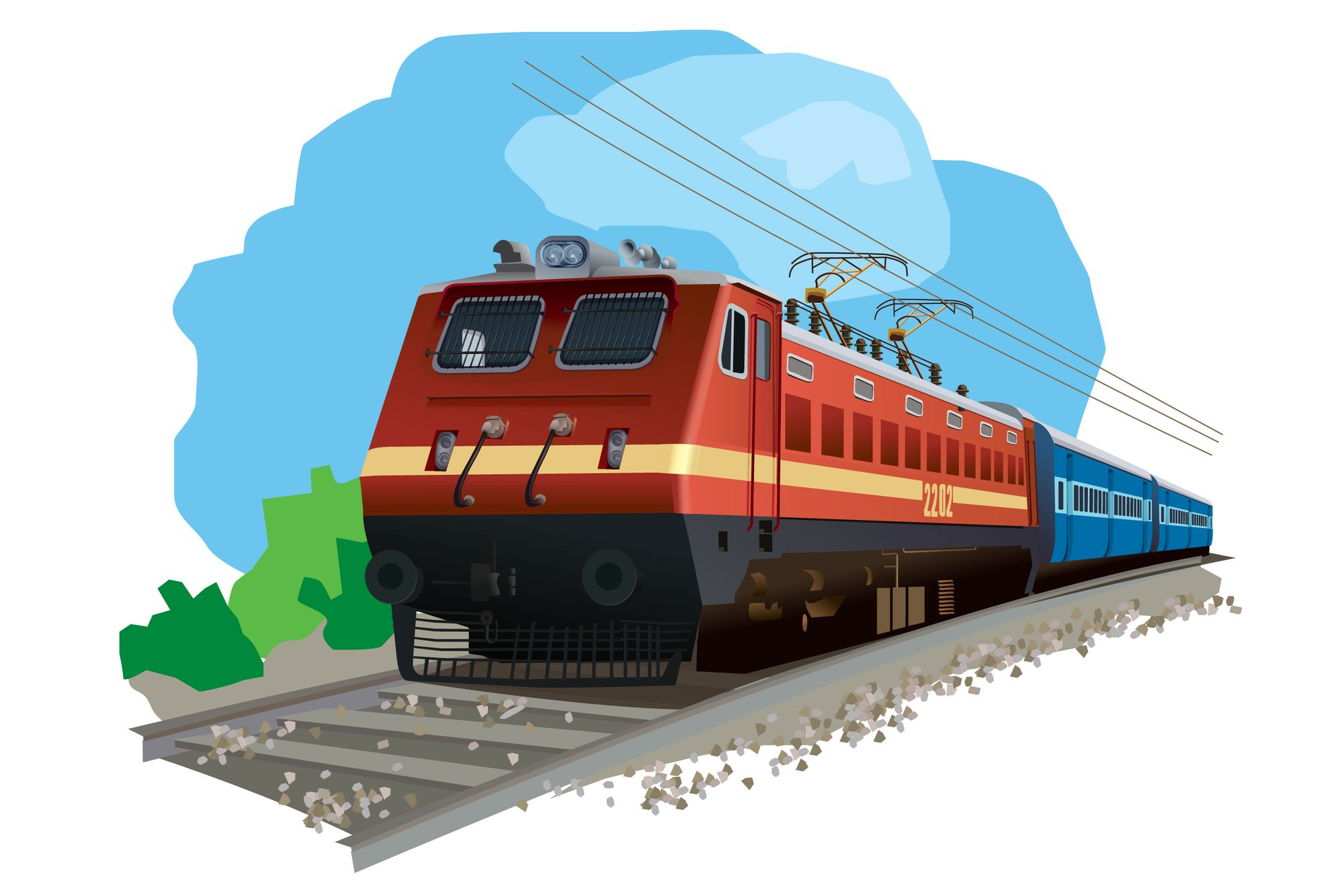
The railway industry is an essential component of global transportation infrastructure, providing efficient and reliable movement of passengers and freight. A critical aspect of railway systems is the dependable power supply for various onboard and trackside applications. Lead-acid batteries have long been a trusted solution in this domain due to their robustness, cost-effectiveness, and proven reliability. This article delves into the specific uses of lead-acid batteries in railway applications, the benefits they offer, challenges faced, and the latest innovations enhancing their performance.

Starting and Ignition Systems
Lead-acid batteries are widely used to power the starting and ignition systems of diesel locomotives. These batteries provide the necessary cranking power to start the engine, ensuring reliable operation even in adverse weather conditions.
Auxiliary Power Supply
Onboard auxiliary systems such as lighting, air conditioning, communication, and control systems rely on lead-acid batteries. These batteries ensure uninterrupted power supply, enhancing passenger comfort and safety.
Emergency Backup
In the event of a main power failure, lead-acid batteries serve as a crucial backup power source for essential systems such as emergency lighting, communication equipment, and control systems. This ensures the safe operation of trains and the protection of passengers and crew.
Trackside Signaling and Communication
Trackside signaling and communication systems are vital for the safe and efficient operation of railways. Lead-acid batteries provide reliable power for these systems, ensuring continuous operation and minimizing downtime.
Proven Reliability
Lead-acid batteries have been used in railway applications for decades, demonstrating their reliability and durability in demanding environments. Their ability to deliver consistent performance under varying conditions makes them a preferred choice.
Cost-Effectiveness
Compared to other battery technologies, lead-acid batteries are more affordable, making them a cost-effective solution for railway operators. Their lower initial cost and established recycling infrastructure contribute to their economic advantage.
Robustness and Durability
Lead-acid batteries are known for their robustness and ability to withstand harsh environmental conditions. They can operate effectively across a wide temperature range, making them suitable for diverse climatic conditions encountered in railway operations.
Ease of Maintenance
Lead-acid batteries are relatively easy to maintain, with established procedures for regular inspection and servicing. This ease of maintenance ensures that railway operators can keep their systems running smoothly with minimal downtime.
Weight and Size
One of the primary challenges of lead-acid batteries is their weight and size. These batteries are heavier and bulkier compared to newer technologies like lithium-ion, which can be a limitation in applications where space and weight are critical factors.
Limited Cycle Life
Lead-acid batteries have a relatively shorter cycle life compared to advanced battery technologies. Frequent deep discharges can significantly reduce their lifespan, necessitating more frequent replacements and increasing long-term costs.
Maintenance Requirements
While lead-acid batteries are easy to maintain, they still require regular servicing, such as checking electrolyte levels and cleaning terminals. This maintenance can be labor-intensive and time-consuming, particularly in large-scale railway operations.
Advanced Plate Design
Recent advancements in plate design have significantly improved the efficiency and longevity of lead-acid batteries. Innovations such as Thin Plate Pure Lead (TPPL) technology and advanced grid alloys enhance energy density and cycle life, making these batteries more competitive with newer technologies.
Enhanced Electrolyte Formulations
Improvements in electrolyte formulations have also contributed to better battery performance. High-purity electrolytes and advanced additives reduce self-discharge rates and improve charge acceptance, enhancing overall efficiency.
Valve-Regulated Lead-Acid (VRLA) Technology
VRLA batteries, including Absorbent Glass Mat (AGM) and gel cell batteries, offer maintenance-free operation and improved safety. These batteries eliminate the need for regular electrolyte topping and reduce the risk of leakage, making them ideal for railway applications.
Smart Battery Management Systems (BMS)
Integrating smart BMS with lead-acid batteries allows for real-time monitoring and management of battery health. BMS can provide data on state of charge (SOC), state of health (SOH), and temperature, enabling proactive maintenance and optimizing performance.

Proper Sizing and Configuration
Correctly sizing the battery system to match the energy requirements of specific applications is crucial. This involves calculating the total energy consumption, peak load demands, and desired backup duration to ensure optimal performance and longevity.
Optimal Placement and Installation
The placement and installation of lead-acid batteries significantly impact their performance and lifespan:
Regular Maintenance and Monitoring
Regular maintenance and monitoring are essential for reliable performance:
Hybrid Systems
Combining lead-acid batteries with other battery technologies, such as lithium-ion, can leverage the strengths of both:
Continued Technological Advancements
Ongoing research and development are likely to yield further improvements in lead-acid battery technology:
Integration with Renewable Energy
As railways increasingly adopt renewable energy sources for sustainability, lead-acid batteries can play a crucial role in energy storage and management:
Lead-acid batteries remain a cornerstone in railway applications due to their reliability, cost-effectiveness, and robustness. Despite challenges such as weight, size, and maintenance requirements, ongoing innovations in design, materials, and management systems are enhancing their performance and extending their lifespan. By adhering to best practices in sizing, installation, and maintenance, railway operators can optimize the use of lead-acid batteries, ensuring reliable and efficient power supply for various applications. As technology advances and the integration of renewable energy becomes more prevalent, lead-acid batteries will continue to play a vital role in the evolving landscape of railway power solutions.
Spaceflight Power was founded in 1994 and named Zhongshan Spaceflight Power supply Co,. Ltd. In 2006, the company’s production base moved to Jiangxi Province for a larger production space with 120,000 square meters.
Learn About Spaceflight Power Learn About Spaceflight PowerCopyright © 2026 - Spaceflight Power Supply Co., Ltd. ALL RIGHTS RESERVED Shipping PolicyReturn PolicyPrivacy Policy