The Essential Guide to Marine Lead-Acid Batteries: Durability & Corrosion Resistance
AUG.07,2025Lead-Acid Batteries for Golf Carts: Key Benefits & Trends
AUG.06,2025Energy Storage Solutions: Lead-Aide Batteries vs. Lithium-Ion
JUL.28,2025Understanding AGM Lead-Acid Batteries for Backup Power
JUL.28,2025Flooded Lead-Acid Batteries for Renewable Energy Storage
JUL.28,2025Gel Lead-Acid Batteries: A Long-Lasting Solution for Off-Grid Power
JUL.23,2025The Role of Lead-Acid Batteries in Electric Golf Carts
JUL.21,2025Telecom Power Systems: The Role of Lead-Acid Batteries
JUL.15,2025Lead-Acid Batteries in Power Tools: Dependability and Performance
JUL.15,2025Choosing Lead-Acid Batteries for Medical Equipment Backup
JUL.15,2025 Spaceflight Power Supply Co., Ltd.
Tel: +86-760-22555873
Fax: +86-760-22555873
E-mail: [email protected]
Add: 2108, Haigang City Office Building, No.1 Shengping East Road, Xiaolan Town, Zhongshan City, Guangdong Province
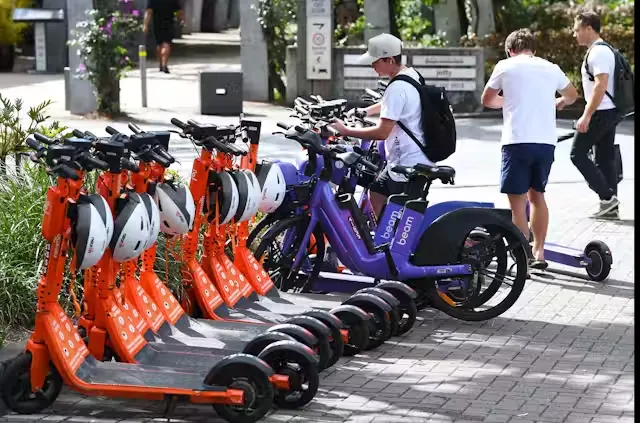
Lead-acid batteries have been a staple in the energy storage sector for decades, offering reliability and cost-effectiveness across numerous applications. In recent years, they have found a strong foothold in the electric scooter market. While lithium-ion batteries dominate the space for more high-performance electric vehicles, lead-acid batteries remain a popular choice for electric scooters, especially in developing regions, due to their affordability, robustness, and proven track record. This article will explore the performance metrics of lead-acid batteries in electric scooters, delve into the market trends, and discuss how they compare to alternative power sources like lithium-ion batteries.

Lead-acid batteries continue to be favored in electric scooters for several reasons:
1.1. Affordability
One of the key reasons for the popularity of lead-acid batteries in electric scooters is their lower upfront cost compared to lithium-ion batteries. For price-sensitive consumers, lead-acid provides an affordable alternative to more expensive lithium-ion systems. The cost-effectiveness of lead-acid batteries makes them especially appealing for scooters used in developing markets, where price constraints are a significant factor.
1.2. Reliability and Robustness
Lead-acid batteries are known for their durability and ability to handle tough conditions. They can withstand high temperatures, vibration, and shock, making them well-suited for electric scooters that may be subjected to rough roads and varied environmental conditions.
1.3. Easy Availability and Recycling
Lead-acid batteries are widely available and have a well-established recycling infrastructure, making them easier to replace and dispose of. This established supply chain and recycling network contribute to their widespread use, particularly in regions with limited access to newer technologies.
Lead-acid batteries are known for providing adequate performance, but their efficiency and capability are often considered lower than lithium-ion batteries. The main performance metrics of lead-acid batteries in electric scooters include:
2.1. Energy Density
Energy density is a crucial factor when assessing battery performance. It refers to the amount of energy a battery can store relative to its weight and size.
As a result, scooters equipped with lead-acid batteries are typically heavier and may have a shorter range than those powered by lithium-ion cells.
2.2. Cycle Life
Cycle life refers to the number of charge and discharge cycles a battery can undergo before its capacity begins to significantly degrade.
The shorter cycle life of lead-acid batteries means that electric scooter owners may need to replace their batteries more frequently, adding to the long-term maintenance costs.
2.3. Charging Time
The charging time of a battery is a critical factor in determining its convenience for everyday use.
2.4. Depth of Discharge (DoD)
The depth of discharge (DoD) indicates how much of the battery’s capacity can be safely used before it needs to be recharged.
This means that while lead-acid batteries may provide shorter ranges per charge, they also require more careful usage to prevent damage.
Despite the increasing popularity of lithium-ion batteries in electric vehicles (EVs) and e-mobility, lead-acid batteries still hold a considerable share in the electric scooter market, particularly in developing regions. Several market trends are shaping the future of lead-acid batteries in this sector:
3.1. Cost-Conscious Consumers in Developing Markets
In regions like Southeast Asia, India, and Africa, electric scooters are primarily seen as affordable transportation solutions. Lead-acid batteries, with their lower purchase price, are particularly appealing to consumers in these regions. The demand for electric scooters in these countries is growing rapidly, and lead-acid batteries continue to meet the need for affordable and reliable power sources.
3.2. Emergence of Hybrid Systems
To counter the performance limitations of lead-acid batteries, manufacturers are exploring hybrid systems that combine lead-acid with lithium-ion or other technologies. These systems aim to balance the affordability of lead-acid with the superior performance of newer chemistries, offering enhanced efficiency without sacrificing cost-effectiveness.
3.3. Focus on Recycling and Sustainability
Lead-acid batteries are among the most recycled consumer products in the world, with a recycling rate of more than 95%. As concerns about environmental sustainability grow, the focus on improving the recycling infrastructure for lead-acid batteries in electric scooters is becoming more important. Manufacturers are increasingly turning to environmentally friendly disposal and reuse techniques to ensure that end-of-life batteries are managed sustainably.
3.4. Longer Battery Life and Improved Charging Systems
In response to consumer demand for better performance and longer-lasting power, manufacturers are continuously working to improve the cycle life, charging time, and overall durability of lead-acid batteries. Advances in sealed lead-acid (SLA) and absorbed glass mat (AGM) technologies are helping to extend the lifespan and reduce maintenance needs.

Feature | Lead-Acid Batteries | Lithium-Ion Batteries |
Cost | Lower initial cost | Higher initial cost |
Energy Density | Lower energy density | Higher energy density |
Cycle Life | 500-1,000 cycles | 2,000-3,000 cycles |
Charging Time | 6-10 hours | 2-5 hours |
Depth of Discharge (DoD) | 50-60% | 80-90% |
Weight and Size | Heavier and bulkier | Lighter and more compact |
Durability | High, but affected by deep discharge | High, with less degradation in deep discharge |
Lead-acid batteries remain a significant power source for electric scooters, offering cost-effective, reliable, and robust performance. While they come with some limitations in terms of energy density, cycle life, and charging time, their widespread availability and established recycling infrastructure continue to make them a valuable choice for affordable e-mobility solutions, especially in developing markets. As the electric scooter industry evolves, manufacturers may continue to innovate and integrate new battery technologies to improve performance, while keeping an eye on sustainability, cost-effectiveness, and consumer demands.
Spaceflight Power was founded in 1994 and named Zhongshan Spaceflight Power supply Co,. Ltd. In 2006, the company’s production base moved to Jiangxi Province for a larger production space with 120,000 square meters.
Learn About Spaceflight Power Learn About Spaceflight PowerCopyright © 2026 - Spaceflight Power Supply Co., Ltd. ALL RIGHTS RESERVED Shipping PolicyReturn PolicyPrivacy Policy