The Essential Guide to Marine Lead-Acid Batteries: Durability & Corrosion Resistance
AUG.07,2025Lead-Acid Batteries for Golf Carts: Key Benefits & Trends
AUG.06,2025Energy Storage Solutions: Lead-Aide Batteries vs. Lithium-Ion
JUL.28,2025Understanding AGM Lead-Acid Batteries for Backup Power
JUL.28,2025Flooded Lead-Acid Batteries for Renewable Energy Storage
JUL.28,2025Gel Lead-Acid Batteries: A Long-Lasting Solution for Off-Grid Power
JUL.23,2025The Role of Lead-Acid Batteries in Electric Golf Carts
JUL.21,2025Telecom Power Systems: The Role of Lead-Acid Batteries
JUL.15,2025Lead-Acid Batteries in Power Tools: Dependability and Performance
JUL.15,2025Choosing Lead-Acid Batteries for Medical Equipment Backup
JUL.15,2025 Spaceflight Power Supply Co., Ltd.
Tel: +86-760-22555873
Fax: +86-760-22555873
E-mail: [email protected]
Add: 2108, Haigang City Office Building, No.1 Shengping East Road, Xiaolan Town, Zhongshan City, Guangdong Province
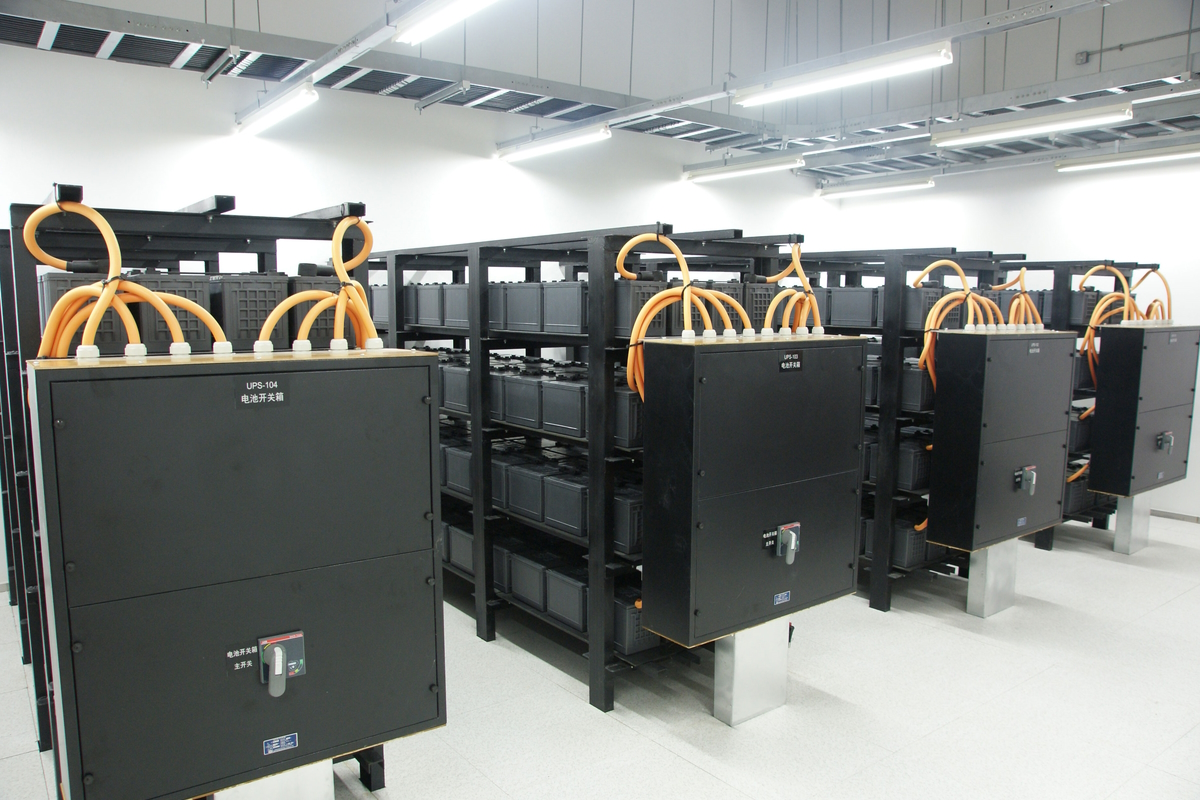
Uninterruptible Power Supplies (UPS) are critical systems used to maintain the continuity of power to sensitive equipment and devices during electrical disruptions. Whether in data centers, hospitals, industrial settings, or residential homes, a UPS ensures that operations continue smoothly without downtime. Among the various battery types used in UPS systems, lead-acid batteries have long been the preferred choice due to their reliability, affordability, and ability to provide dependable backup power in times of need.
This article explores the role of lead-acid batteries in uninterruptible power supplies, highlighting their advantages, disadvantages, and the factors influencing their use in various applications.
A uninterruptible power supply (UPS) is an electrical system designed to provide emergency backup power when the main power source fails. UPS systems are used to protect critical equipment such as servers, computers, medical devices, telecommunications systems, and industrial machinery from the impact of power outages, voltage fluctuations, and electrical disturbances.
In the event of a power failure or sudden voltage drop, a UPS instantly switches to battery power, ensuring that the connected equipment continues to operate without interruption. The importance of this technology cannot be overstated. In sectors like healthcare, finance, telecommunications, and IT, any disruption can lead to significant operational, financial, and even safety risks.

Lead-acid batteries have been the traditional choice for powering UPS systems due to their well-established performance, cost-effectiveness, and ability to deliver large amounts of power when needed. These batteries have a long track record of providing reliable backup power, and their technology has been refined over decades to meet the specific demands of UPS systems.
There are two main types of lead-acid batteries commonly used in UPS applications:
Despite the rise of alternative technologies, lead-acid batteries remain a dominant choice for many UPS systems. Below are some of the key benefits they offer:
Lead-acid batteries are significantly more affordable than many of their alternatives, such as lithium-ion or nickel-cadmium batteries. This makes them an attractive choice for applications where budget constraints are a consideration, particularly in industries like small businesses or residential homes where the need for backup power is not as extensive as in larger-scale operations.
Additionally, lead-acid batteries are readily available, and their well-established manufacturing processes mean that the supply chain is reliable and cost-effective.
Lead-acid batteries have been used in UPS systems for decades, and their performance is well-understood. They have a proven track record of providing consistent and reliable backup power across a wide range of applications. Their robust design and ability to perform well under high discharge rates make them suitable for demanding environments, such as data centers, hospitals, and factories.
Because lead-acid batteries are so widely used, there is a wealth of knowledge available on their operation, maintenance, and troubleshooting, ensuring that operators can keep their systems running smoothly with minimal risk of failure.
Lead-acid batteries are capable of delivering high surge currents during moments of sudden power loss, which is essential for the initial load demands of critical systems. This high surge capacity helps ensure that sensitive electronics, like servers or medical equipment, receive immediate and reliable power when required.
Lead-acid batteries are standardized and widely available across the globe, making them easy to source and replace. Their availability ensures that a UPS system can remain operational with minimal disruption, even if a battery needs to be replaced unexpectedly. This is particularly important for industries that rely heavily on continuous power and cannot afford downtime during an emergency.
Lead-acid batteries have a well-established ability to endure frequent charging and discharging cycles, making them suitable for both short-term and long-term backup power needs. They are also versatile enough to perform in different environmental conditions, such as varying temperatures and humidity levels, though their performance is optimally maintained in controlled environments.

While lead-acid batteries offer several advantages, they are not without their limitations. These drawbacks are important to consider when designing or maintaining a UPS system:
The typical lifespan of a lead-acid battery is 3 to 5 years, though this can vary depending on environmental conditions, maintenance, and usage patterns. Over time, the capacity of the battery degrades, reducing its ability to deliver power during a failure. After several years, the battery’s efficiency declines, requiring replacement to ensure reliable backup performance.
Lithium-ion batteries, in contrast, can last much longer, typically between 8 to 15 years. This longevity has made them an increasingly popular choice in some sectors, particularly where reducing replacement frequency is a priority.
Lead-acid batteries, particularly flooded lead-acid batteries, tend to be bulky and heavy. This can create challenges in systems where space is at a premium, such as in smaller buildings or remote sites where real estate is limited. The physical size and weight of the batteries also add logistical complexity during installation and maintenance.
While VRLA batteries are often maintenance-free, flooded lead-acid batteries require regular monitoring of electrolyte levels and periodic maintenance to ensure optimal performance. This includes checking for signs of corrosion, ensuring the batteries are clean, and topping off the electrolyte as needed.
This ongoing maintenance can be a burden for organizations without dedicated technical staff, adding to the overall cost of ownership.
Lead-acid batteries contain lead and sulfuric acid, which can be harmful to the environment if not disposed of properly. While lead-acid batteries are recyclable, improper disposal can lead to soil contamination and environmental hazards. There is also a growing push toward greener alternatives, which has prompted the development of more eco-friendly battery technologies.
Despite the emergence of newer battery technologies, lead-acid batteries remain a reliable, cost-effective, and widely used choice for uninterruptible power supplies. Their proven performance, affordable price, and ability to deliver high surge currents in demanding applications make them indispensable in many industries, from telecommunications to healthcare.
While lithium-ion batteries are gaining traction in some UPS systems due to their longer lifespan and higher energy density, lead-acid batteries continue to hold their ground, particularly in smaller applications or in cases where budget constraints and reliability are top priorities.
The ongoing evolution of lead-acid battery technology, along with improvements in maintenance and recycling practices, ensures that this battery type will remain a staple in UPS systems for years to come. As long as reliability, cost, and proven performance are prioritized, lead-acid batteries will continue to be a critical component in ensuring uninterrupted power for the world’s most vital systems.
Spaceflight Power was founded in 1994 and named Zhongshan Spaceflight Power supply Co,. Ltd. In 2006, the company’s production base moved to Jiangxi Province for a larger production space with 120,000 square meters.
Learn About Spaceflight Power Learn About Spaceflight PowerCopyright © 2026 - Spaceflight Power Supply Co., Ltd. ALL RIGHTS RESERVED Shipping PolicyReturn PolicyPrivacy Policy